Businesses that produce greasy wastewater, such as restaurants, canteens, butchers or bakeries, are required to operate a grease separator and to have it cleaned and emptied regularly. As a guide, a grease separator is completely emptied, cleaned and refilled with fresh water at least once a month, and more often in heavily used kitchens. This duty protects the sewer system and the wastewater treatment plant, because grease blocks pipes and disrupts the treatment process. Proper, documented cleaning is therefore mandatory and at the same time protects against costly blockages and interruptions to operations, which can hit a restaurant hard.
Why do commercial businesses need a grease separator?
Fats and oils produced in commercial kitchens and processing businesses must not enter the wastewater. When greasy water cools in the pipe, the fat solidifies, sticks to the pipe walls and over time leads to massive blockages, foul smells and backflow. In the sewer system and the treatment plant, grease causes further problems; in the public network it can make costly sewer cleaning necessary. A grease separator removes fats and oils from the wastewater on the premises: the lighter grease floats to the top of the separator and is held back, while the cleaned water flows on.
How does a grease separator work?
A grease separator works by gravity. The greasy wastewater flows into the tank and settles there. Heavy solids such as food scraps sink to the bottom as sludge and collect in the sludge trap, while the lighter fats and oils rise to the surface and form a layer of grease. The largely grease-free water in between is discharged into the sewer through an outlet set lower down. For this principle to work, the grease layer and sludge must be removed regularly before the separator reaches its capacity.
The separator is therefore sized to suit the business. Its size depends on the volume and temperature of the wastewater and the expected amount of grease. If it is too small, the grease layer quickly exceeds the permitted thickness; if it is correctly designed, it works reliably over a longer period. Sight glasses or inspection openings let you keep an eye on the level of the grease layer and estimate when the next emptying is due.
What duties do operators have?
Operators are responsible for ensuring that the grease separator is correctly sized, regularly maintained and its contents properly disposed of. This includes regular complete emptying, cleaning the tank, checking that it works and documenting the work carried out. Many municipalities and wastewater associations require proof of proper disposal. An operating log or a maintenance contract for drain maintenance with a specialist contractor helps you meet these duties without gaps and prove it in the event of an inspection. The exact requirements are set by cantonal and municipal regulations.
At what intervals must it be cleaned?
As a general rule of thumb, the separator should be completely emptied and cleaned at least once a month. The actual interval depends on the size of the separator and the amount of grease produced. A business with a lot of grease, such as a grill restaurant or a large catering kitchen, must have it cleaned more often, while smaller businesses can manage with the monthly interval. It is important not to let the separator fill up completely, as grease then gets into the sewer and the separation performance drops. A specialist contractor can recommend the right interval based on the type of business.
What happens if the duties are ignored?
If a grease separator is not emptied regularly, the grease layer builds up until grease gets into the sewer downstream. The result is blockages in the business's own pipes and in the public sewer, together with odour nuisance, backflow and, in the worst case, the kitchen having to stop work. Such disruptions hit a restaurant hard, because work cannot continue without functioning drainage.
There may also be legal consequences. If maintenance is missing or inadequate, authorities can raise objections and demand proof. If there is no documentation of proper disposal, conditions may be imposed. If, on the other hand, you consistently meet your duties and can prove the work, you are on the safe side and avoid both technical failures and trouble with the authorities. A reliable maintenance partner is essential for this.
How is the cleaning carried out?
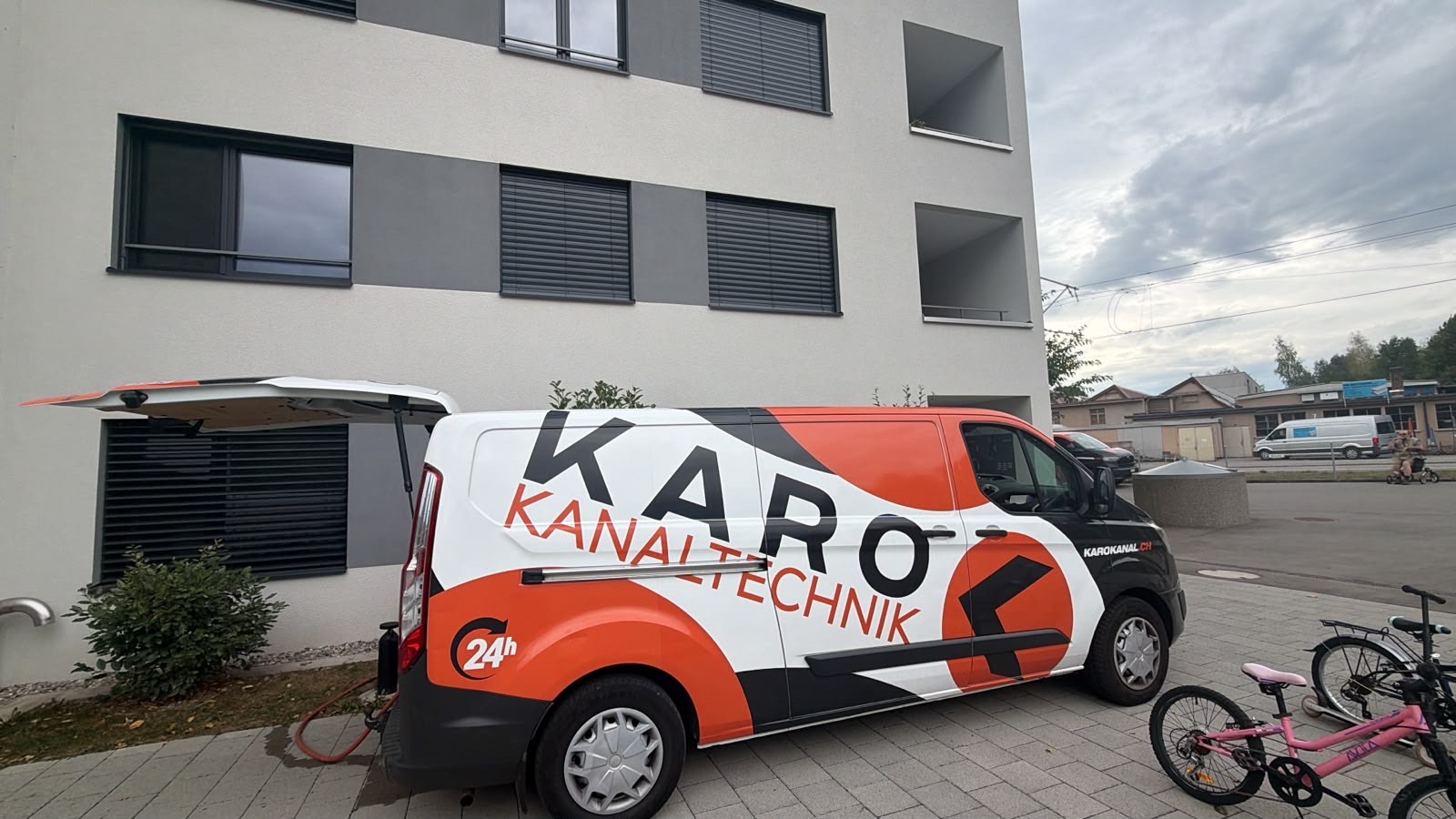
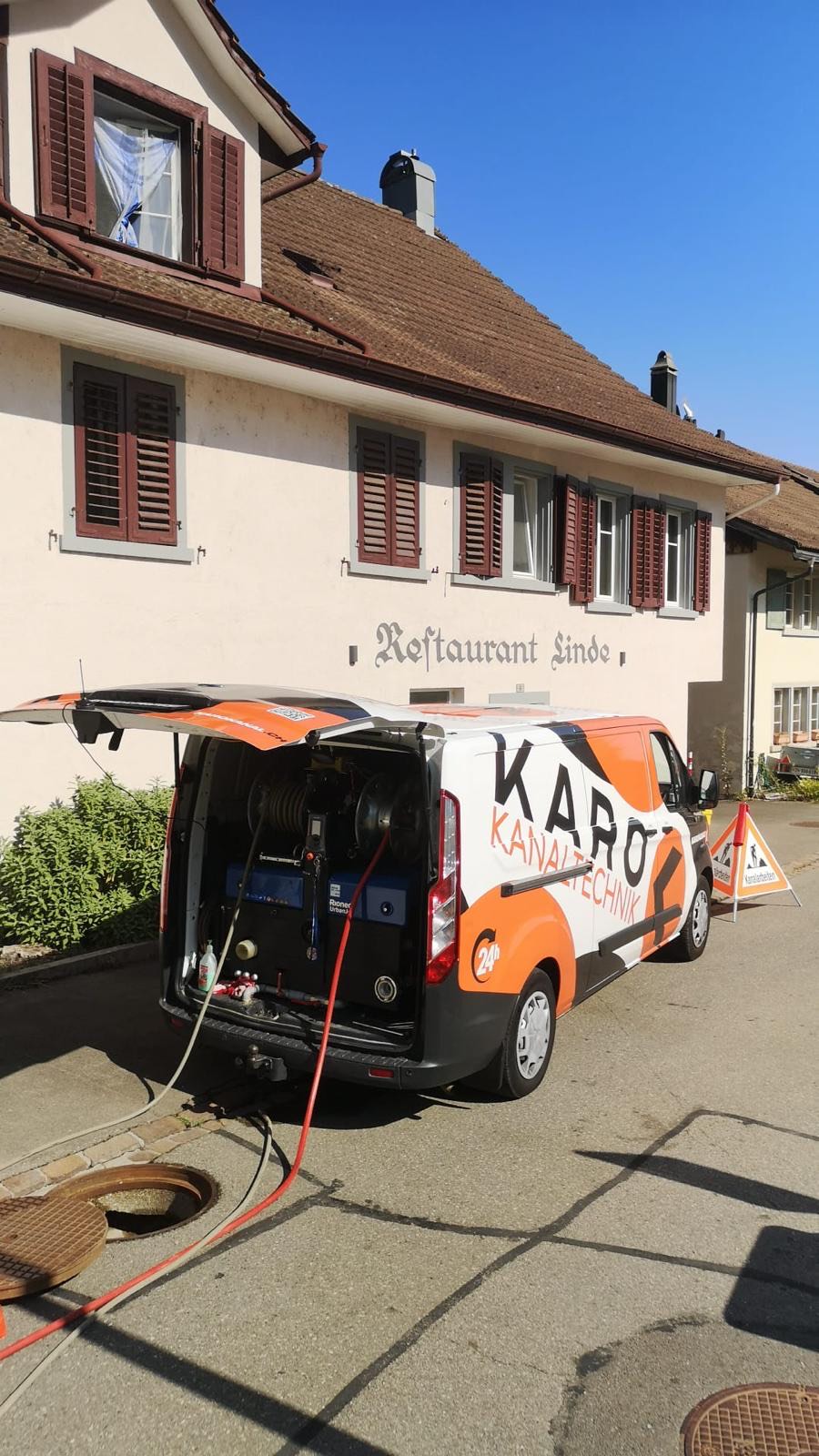
A suction or combination vehicle sucks out the entire contents of the grease separator: the floating grease layer, the water and the settled sludge. The walls and internal fittings of the tank are then cleaned at high pressure to loosen any grease residue stuck to them. Afterwards, the separator is refilled with fresh water so that it can work again straight away. The contents removed are properly taken to an approved disposal or recycling facility, and the work is documented as proof.
How can a business reduce the amount of grease?
Besides cleaning the separator regularly, a business can do a lot to reduce the amount of grease in the first place. Food scraps and larger amounts of fat should be disposed of dry rather than poured down the sink. Pans and pots can be wiped out before washing, and frying fat should be collected properly and sent for recycling, not poured down the drain. Simple measures like these noticeably relieve the grease separator and extend the time between cleanings.
The correct sizing of the separator also plays a role. If it is too small for the actual volume of wastewater, it fills up too quickly and has to be emptied more often; if it is correctly designed, it works more reliably. If a business grows or its menu changes, it is therefore worth checking whether the installation still matches the load. A specialist contractor can advise on this and tailor the size, interval and maintenance to the specific business.
What does grease separator cleaning cost?
The cost depends on the size of the separator, the volume of contents and the disposal costs. As a guide, expect a rate of around CHF 160 per hour plus a call-out fee of about CHF 60, as well as disposal of the material removed, which depends on the volume. These figures can vary by plus or minus 15 per cent. For commercial businesses, a maintenance contract with fixed intervals is worthwhile: it ensures the duties are met, provides the necessary documentation and makes costs predictable. The commercial wastewater pipes can also be cleaned with high-pressure water jetting during the same visit.
Do you run a kitchen or a business with a grease separator and want to meet your cleaning and documentation duties without worry? Karo Kanaltechnik takes care of emptying, cleaning, disposal and documentation, under a maintenance contract if you wish. If you have an acute blockage, our 24/7 emergency service is there for you around the clock on +41 43 588 12 08.