
Expert knowledge on drain technology
Practical articles on the cleaning, rehabilitation, inspection and maintenance of drainage systems.
In brief
The Karo Kanaltechnik knowledge hub is a collection of practical expert articles on cleaning, rehabilitating, inspecting and maintaining drainage systems. Topics include cleaning intervals, the cost of pipe cleaning in Switzerland, leak-tightness testing in accordance with SN EN 1610, CIPP lining methods and immediate steps to take when a drain is blocked.

When is drain cleaning necessary? 7 warning signs
Blocked drains are more than just a nuisance. Find out which 7 signs indicate that drain cleaning is needed and when you should act without delay.

CCTV drain survey: the process in 6 steps, costs and benefits
How does a CCTV drain survey work? The six steps from pre-cleaning through the camera run, locating and defect coding to SN EN 13508-2 up to the report, plus duration, costs and when municipalities require proof of condition.

High-pressure jetting vs. mechanical cleaning: which method when?
Which method is suitable when? We compare high-pressure water jetting and mechanical cleaning and show the advantages and disadvantages of both methods in detail.

Blocked drain: what to do? Step by step to a clear pipe
The drain is blocked and the water is standing? Here you will find the diagnosis in three questions, self-help step by step, the limits of home remedies and what a professional costs.

Spray lining technology: pipe relining without excavation explained
Spray lining technology is revolutionising pipe rehabilitation. Find out how the method works, what it costs and what advantages trenchless rehabilitation offers.

Is a leak-tightness test mandatory? What applies in Switzerland, procedure to SN EN 1610 and costs
Is a leak-tightness test mandatory in Switzerland? When the municipality and canton require it, which standards apply, how the test with air or water works and what it costs.
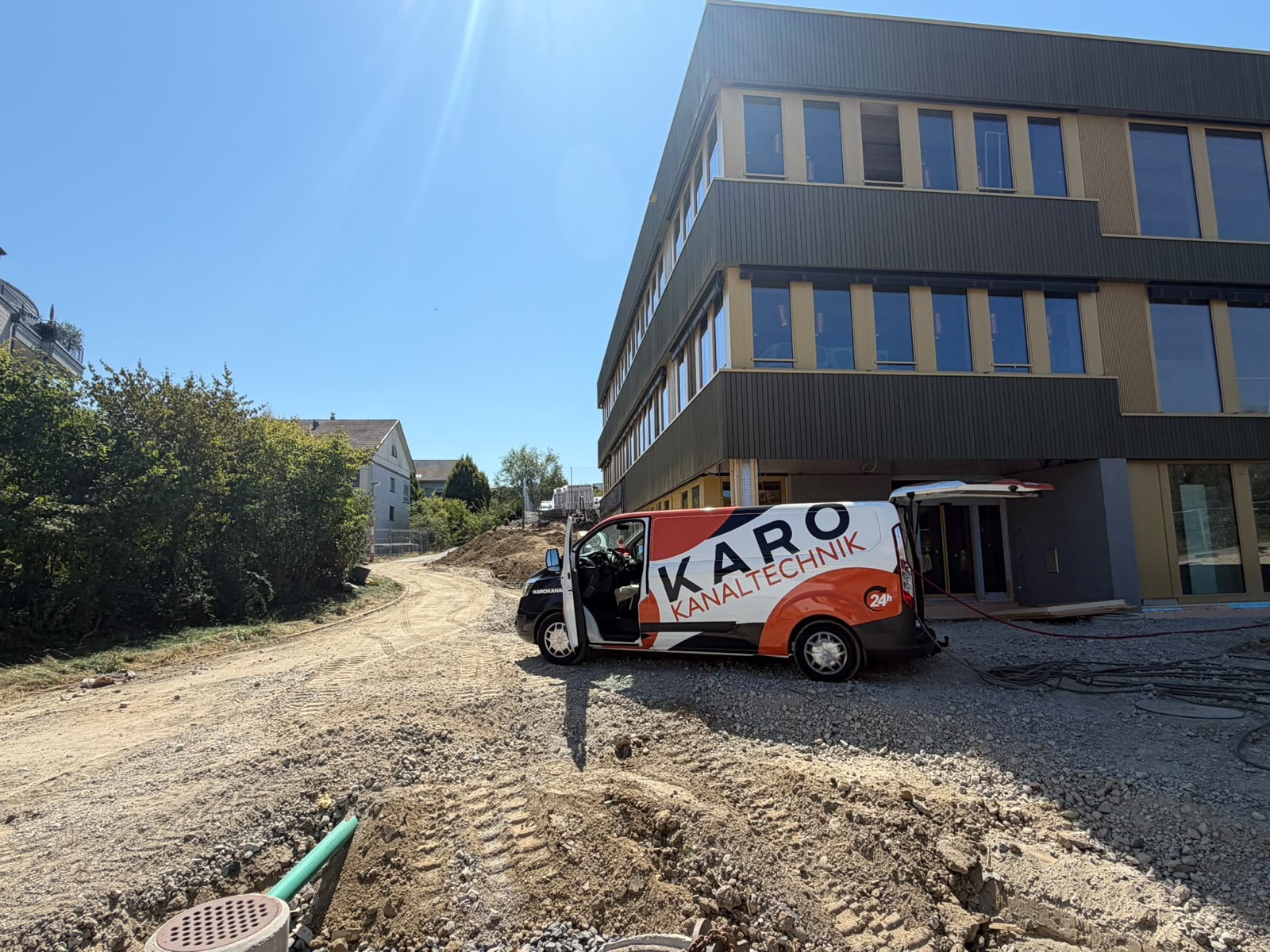
Drain cleaning: how often is it really necessary?
How often does a drain need to be cleaned? Intervals by pipe type, from the underground drain via the land drain and silt trap to the lifting station and grease separator, with comparative values from municipalities and standards.

DIY drain cleaning: what works and where does DIY end?
What can you fix yourself in the drain and where does the work for a specialist firm begin? An honest overview of DIY methods and their limits.
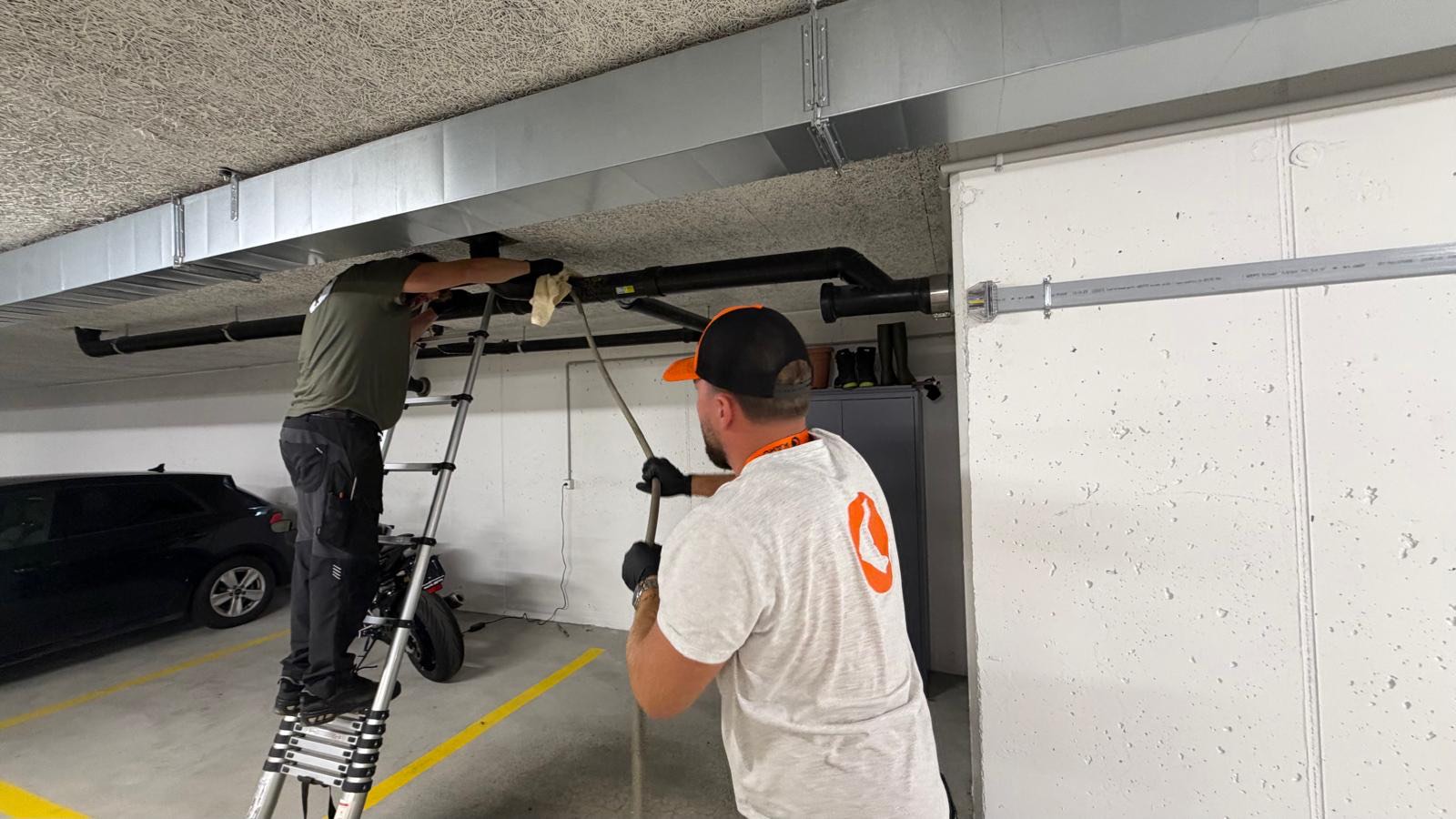
Pipe cleaning costs: prices per drain in Switzerland
What does pipe cleaning cost in Switzerland? Guide prices per drain for washbasin, shower, kitchen, toilet and soil stack, worked examples with VAT and tips for saving money.
Drain snake: how it works, how to use it and its limits
How does a drain snake work and when does it reach its limits? Everything about its design, use and the difference between household and professional equipment.
Drain cleaning machines: types and professional equipment
Which drain cleaning machines do professionals use and for what? An overview of snake machines, high-pressure jetters and combined suction and jetting units.
Cleaning drains with home remedies: bicarbonate of soda, vinegar, baking powder and co.
Bicarbonate of soda and vinegar, baking powder, salt, washing soda or simply hot water: which home remedies really clean the drain, in which order to proceed and which myths damage your pipes.
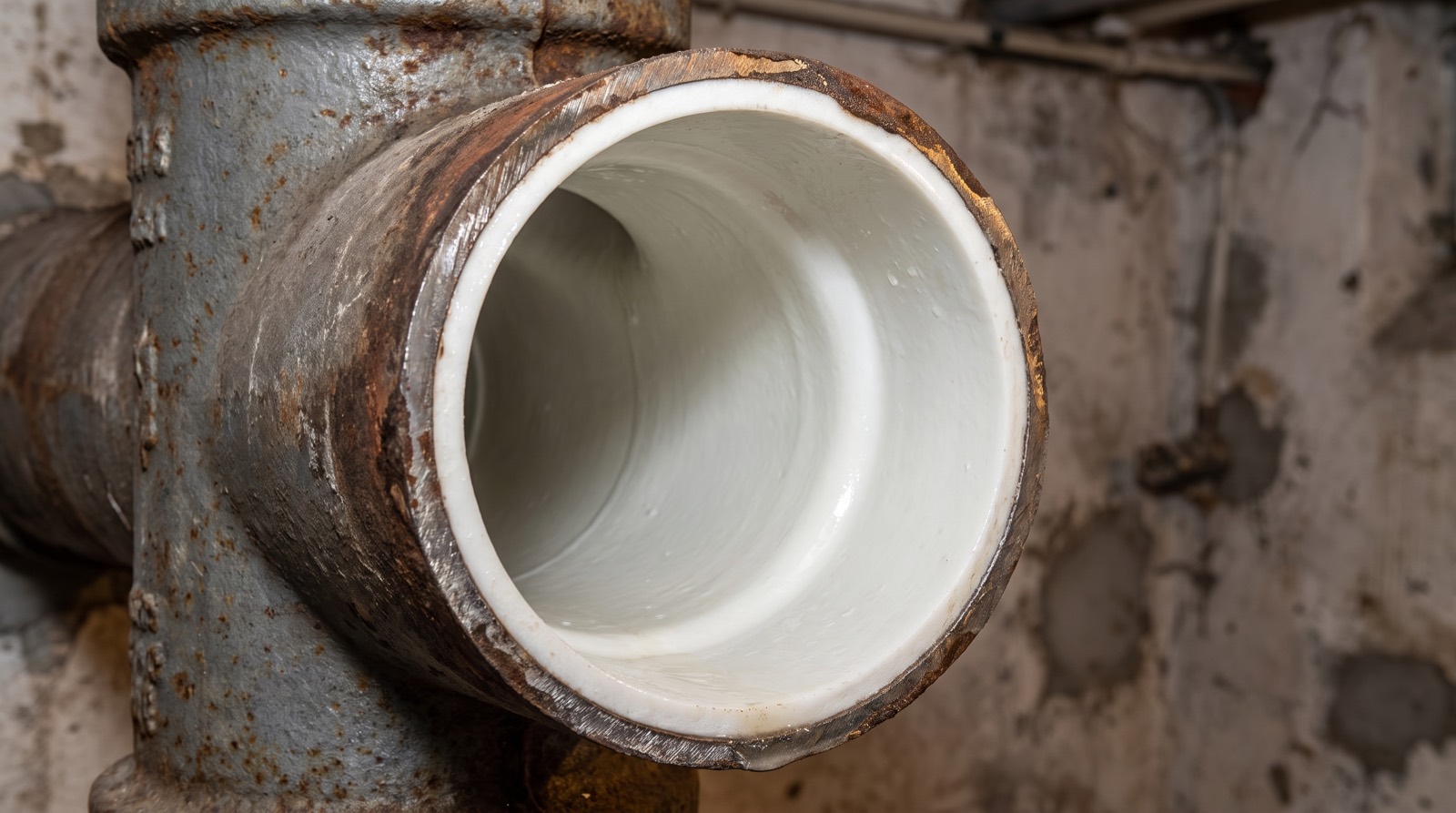
Drain rehabilitation with a CIPP liner: cost per metre, factors and process
What does drain rehabilitation with a CIPP liner cost per metre? All cost factors, Karo's fixed prices for the preparatory work in CHF, the comparison with excavation, service life, warranty and who pays for the rehabilitation.

Leak detection: methods and how leaks are found
How do you find a hidden leak without digging everything up? An overview of leak detection methods and the typical course of a leak search.
Emergency drain cleaning: the 24/7 process for blockages
Acute backflow or a blocked drain? How to react correctly in an emergency and how a professional 24/7 call-out works step by step.
Manhole rehabilitation: methods and when it is needed
When does a manhole need rehabilitating and what methods are there? An overview of damage, rehabilitation methods and how manhole rehabilitation works.
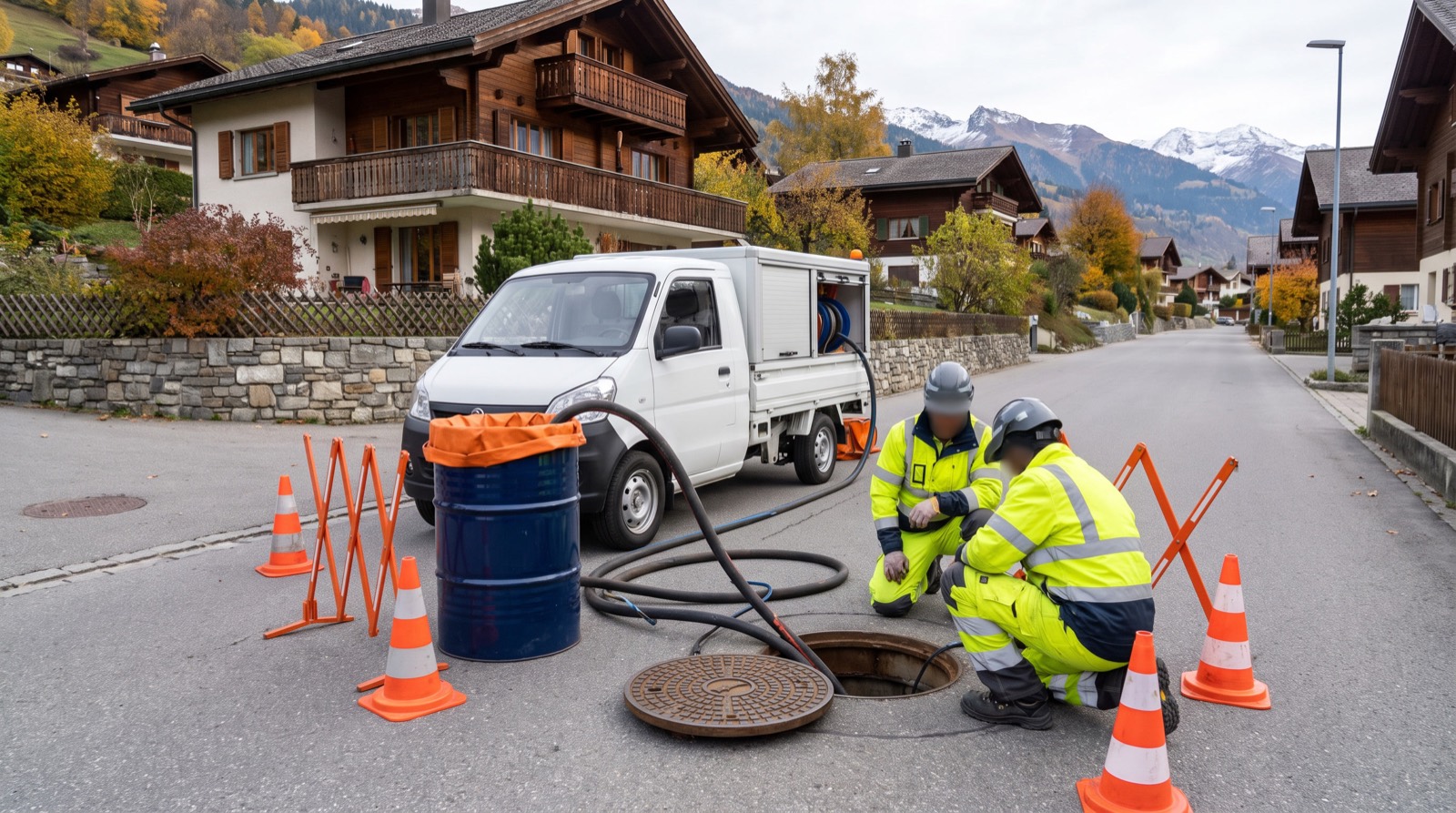
Drain rehabilitation cost per metre: guide prices and factors in Switzerland
What does drain rehabilitation cost per metre? In Switzerland, trenchless methods usually cost CHF 250–600 per metre. We show all cost factors and guide prices.
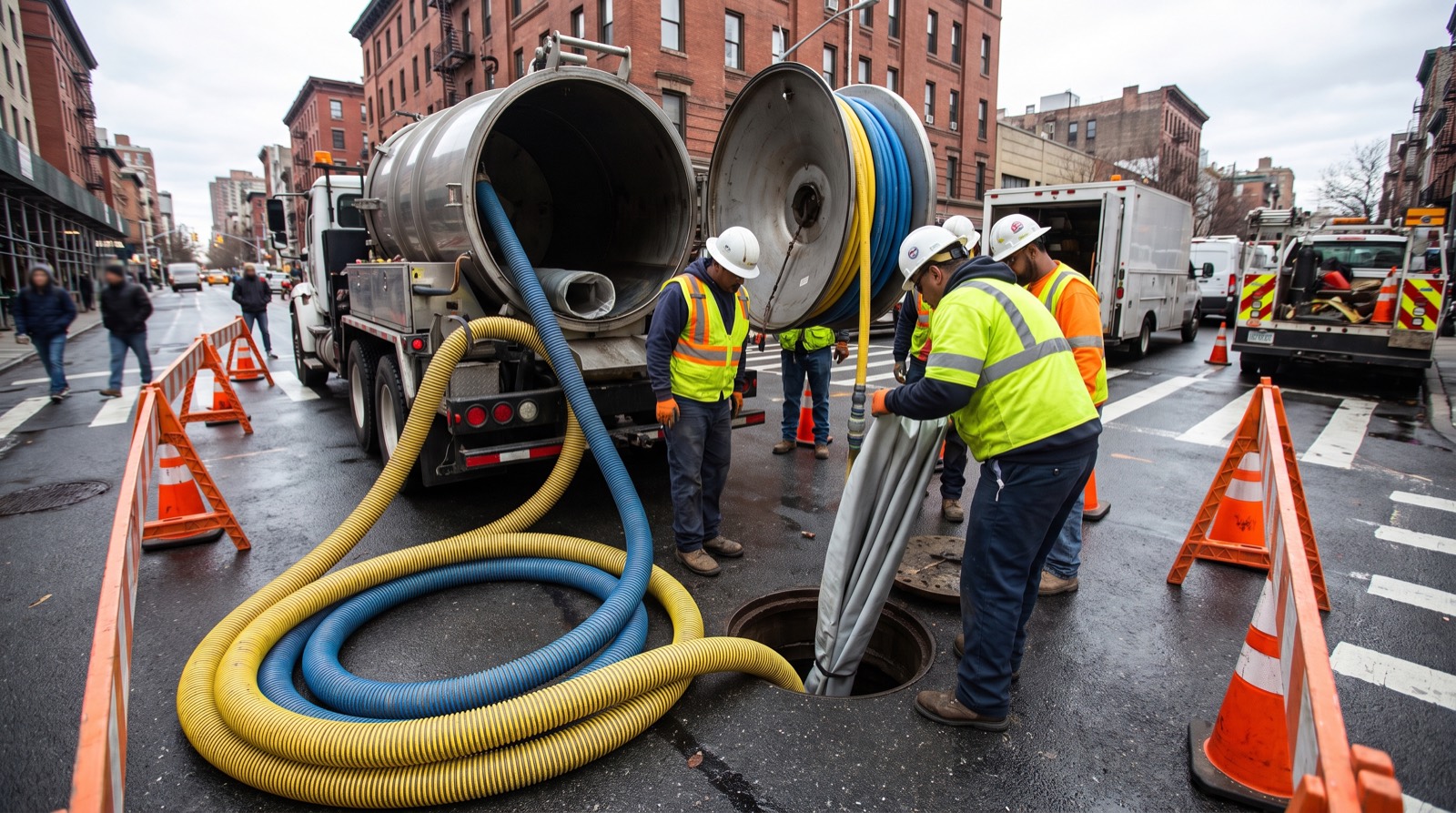
Trenchless drain rehabilitation: process, benefits and costs
Trenchless drain rehabilitation explained: the process step by step, the benefits compared with excavation and costs of usually CHF 250–600 per metre.
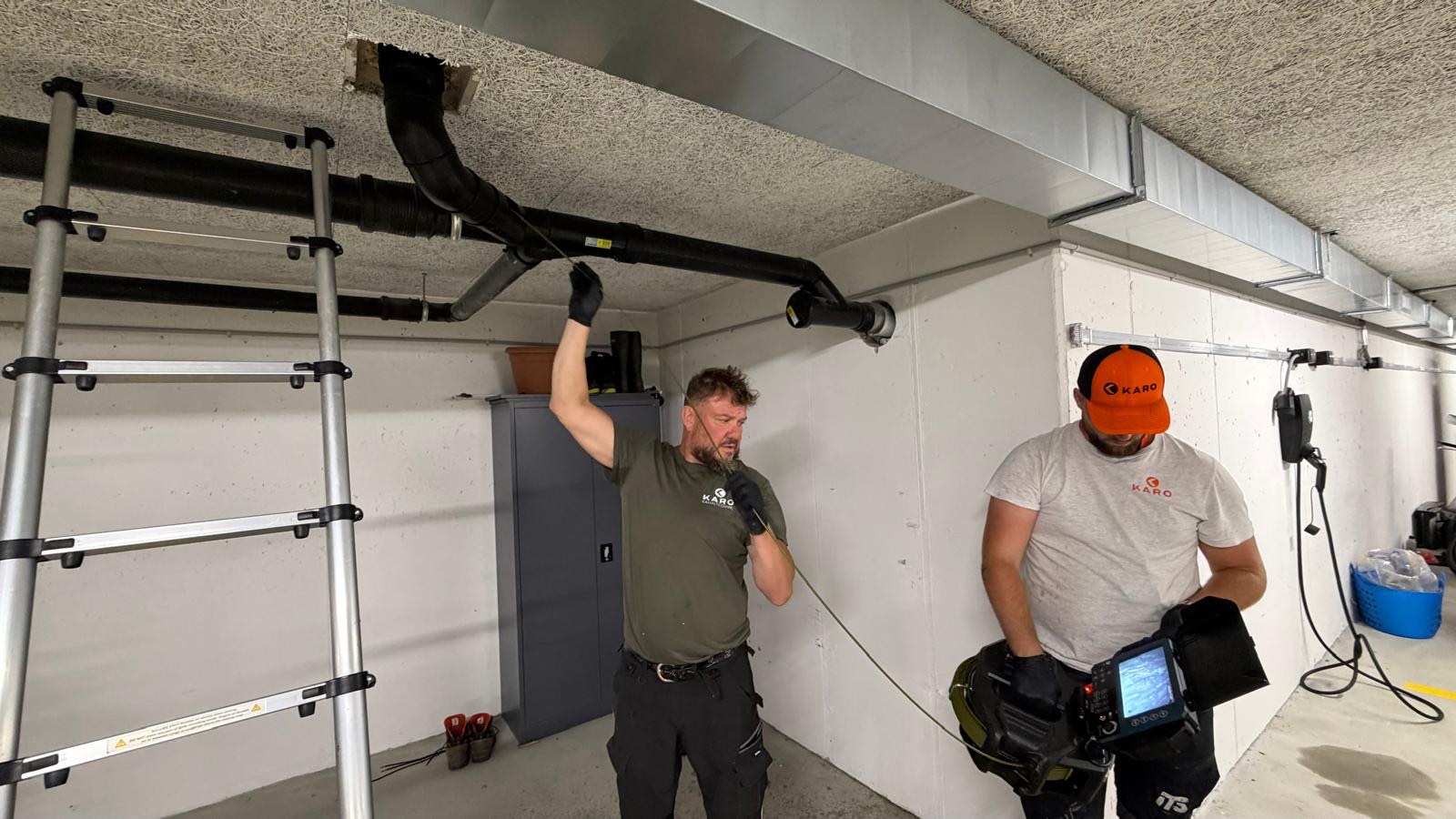
CCTV drain survey costs: what does a camera inspection cost?
What does a drain inspection cost? In Switzerland, a CCTV drain survey starts from CHF 50. All cost factors and what is included in the price.
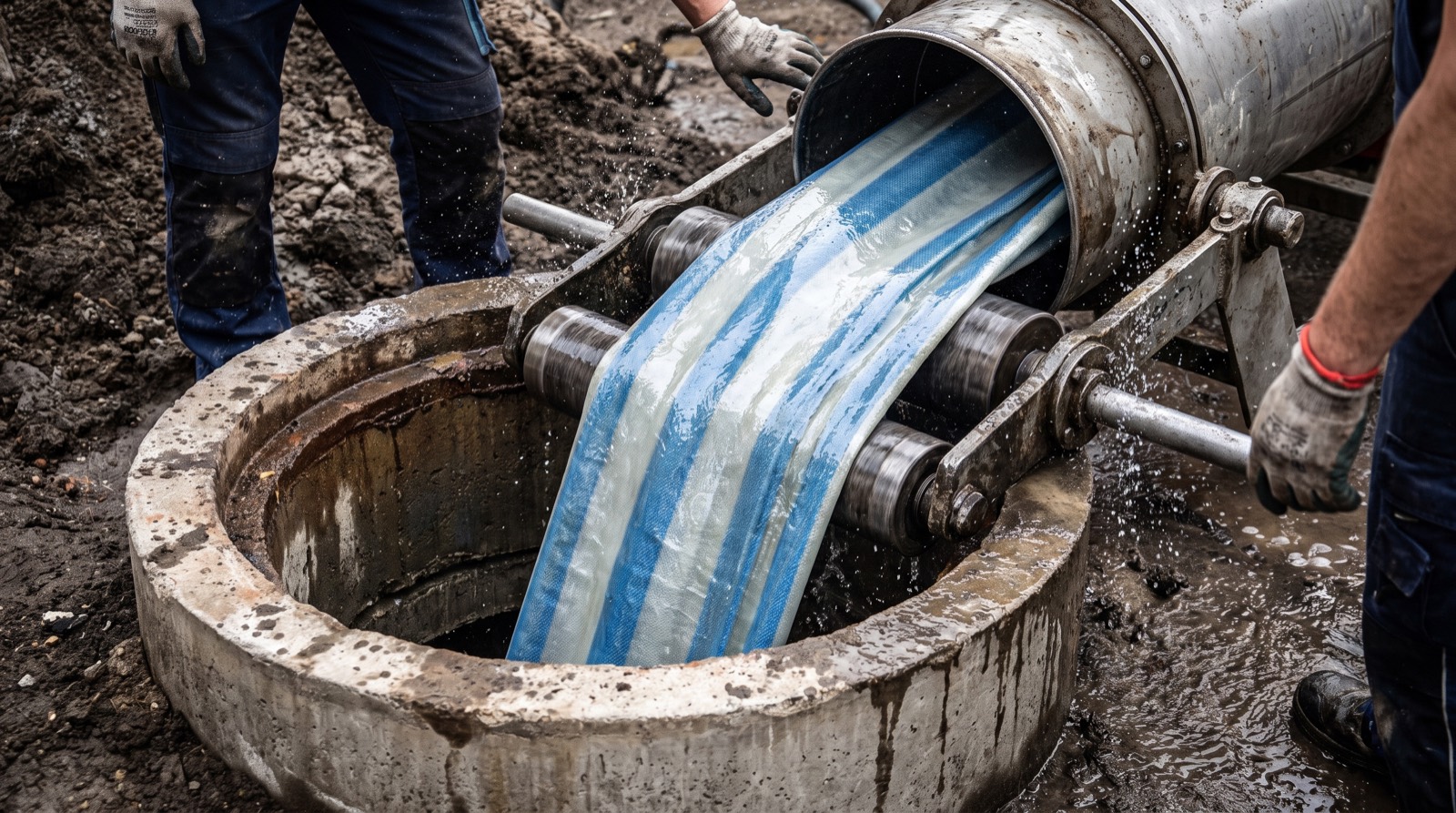
CIPP lining: method, process and costs explained
CIPP lining step by step: how trenchless pipe relining from the inside works, what it costs (CHF 250–600 per metre) and when it is worthwhile.
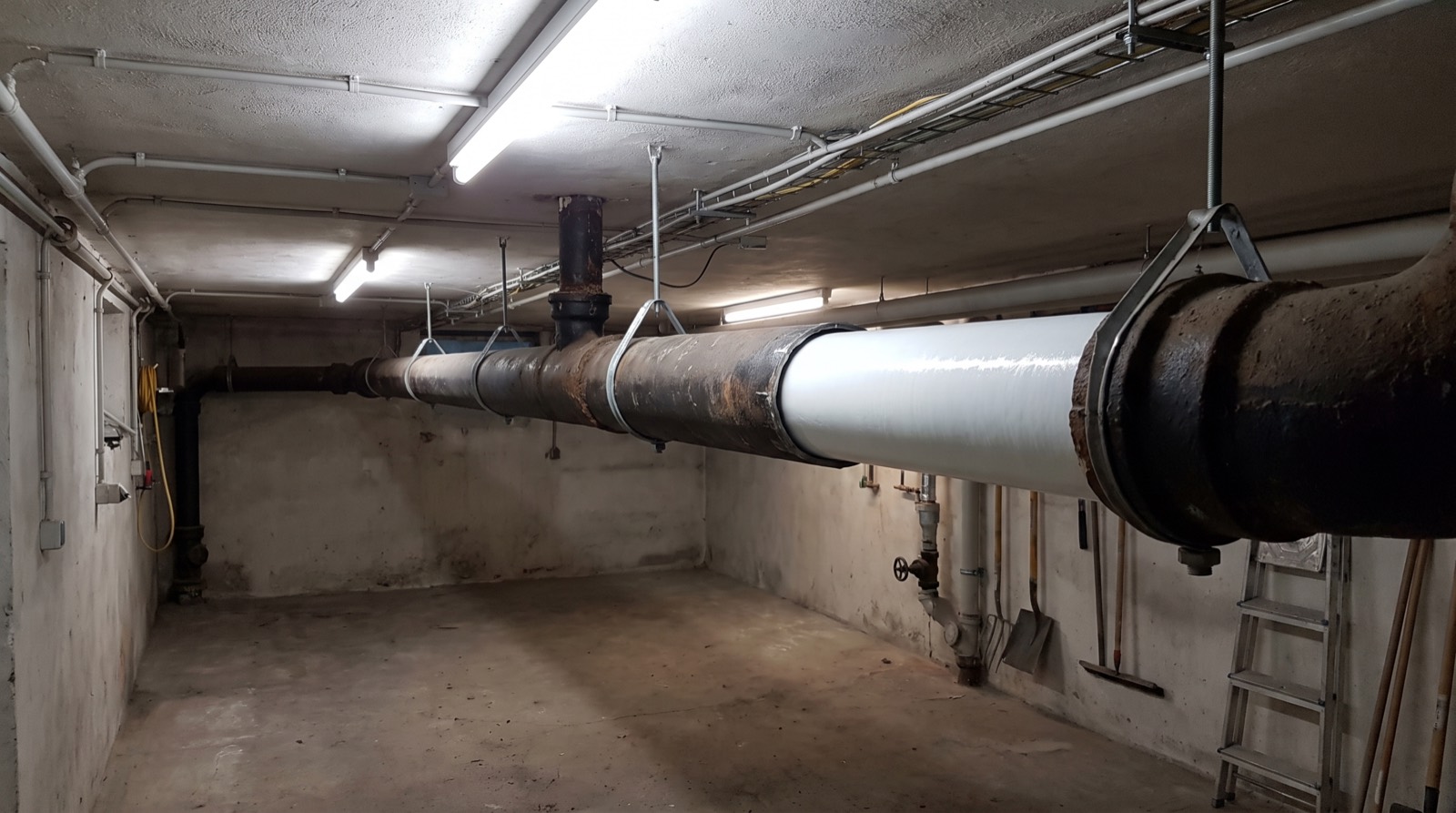
Rehabilitating a wastewater pipe without digging: CIPP liner and costs
Defective wastewater pipe? With a CIPP liner you can rehabilitate it without digging – watertight, root-proof and cheaper than open-cut construction. Process, costs and benefits.
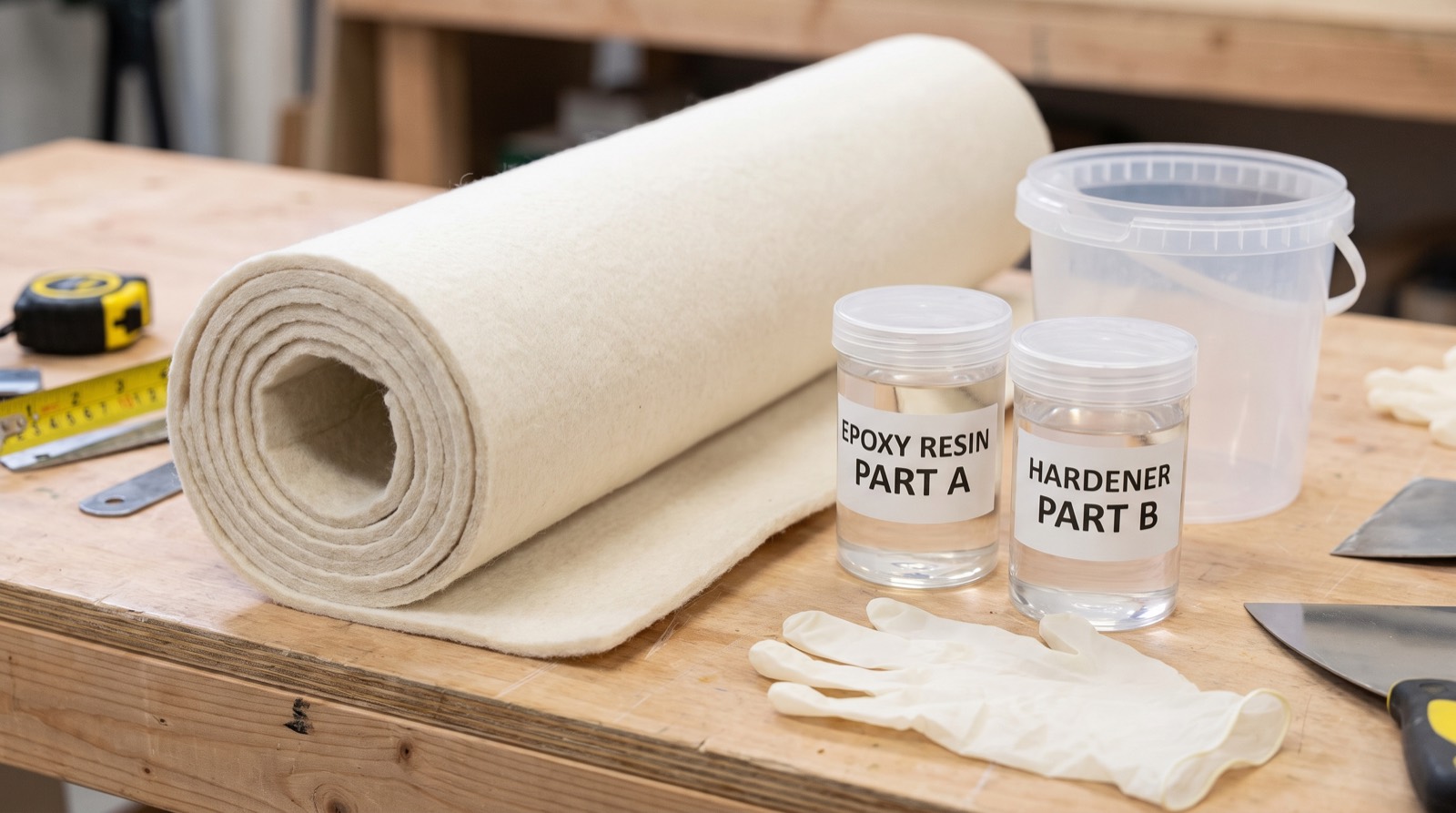
CIPP liners: method, materials and areas of use
All about the CIPP liner: structure, materials such as needle felt and glass fibre, curing methods and the pipes in which it is used.
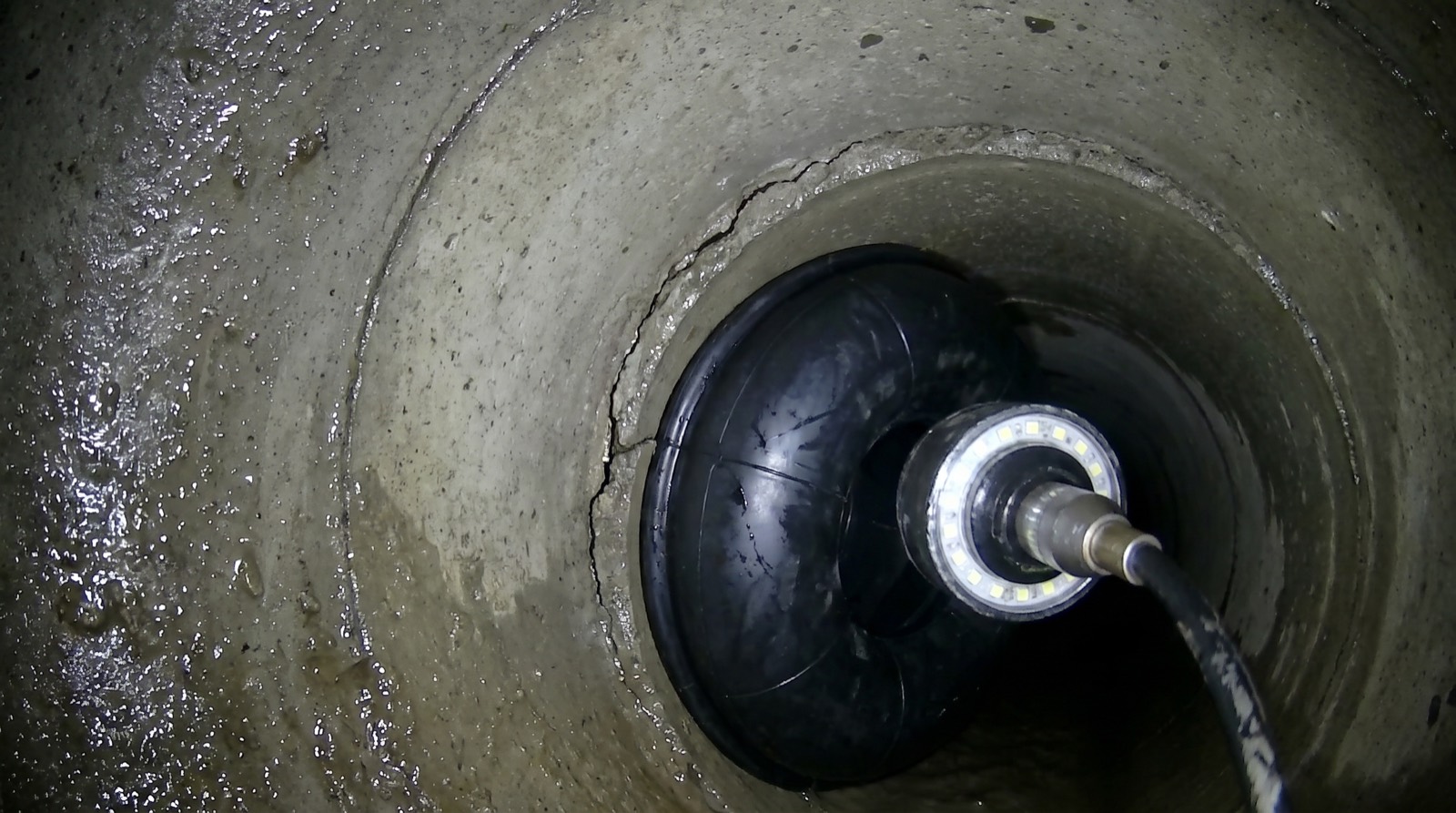
Patch liner (Pointliner): localised drain rehabilitation explained
The patch liner (Pointliner) repairs individual damaged spots in a drain locally and without digging. How the method works, when it is suitable and what it costs.
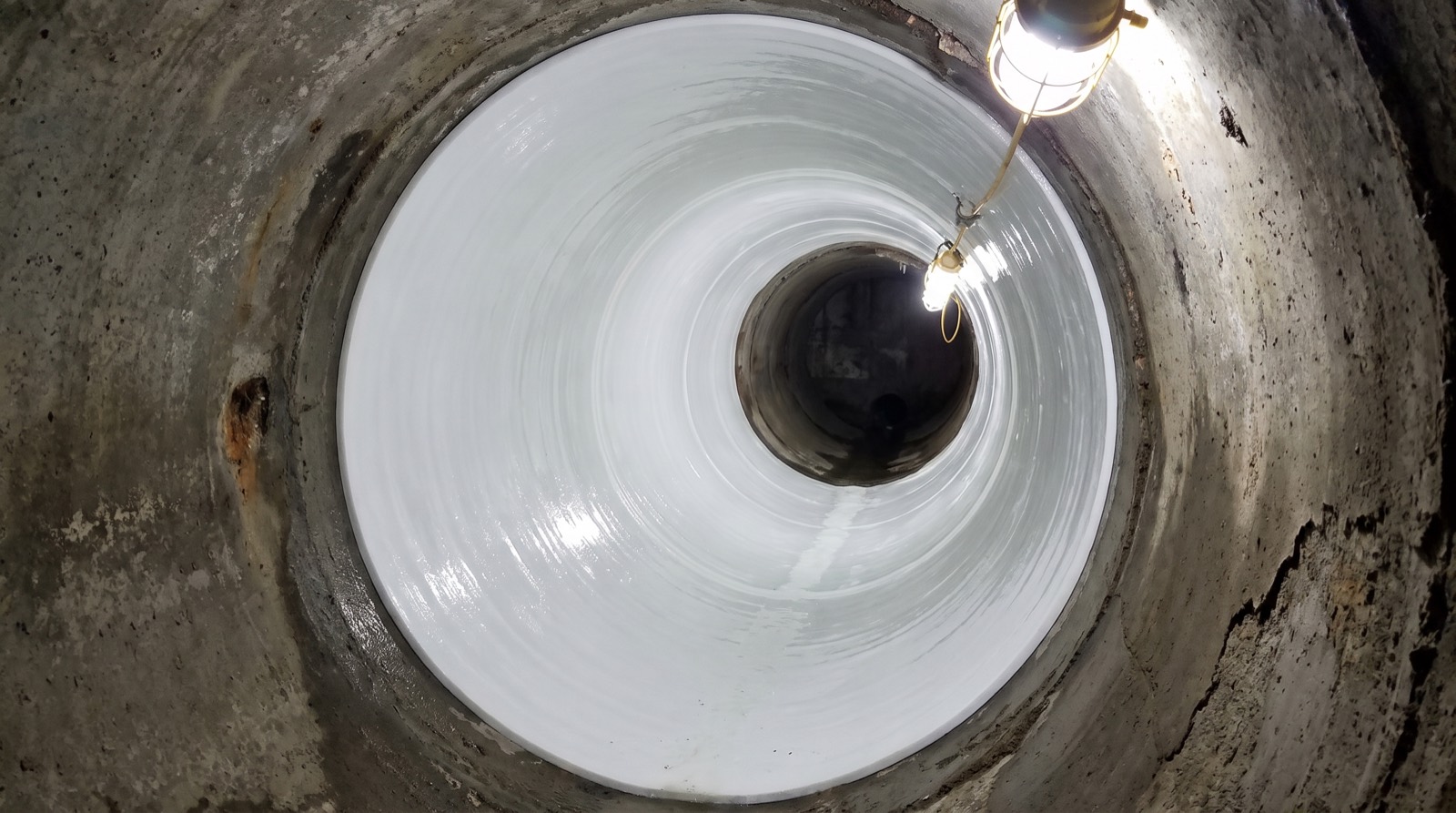
CIPP liner technology in detail: how a drain liner works
How does CIPP liner technology work in a drain? From the resin-impregnated liner to the cured pipe within a pipe – method, structural design and areas of use explained.
CIPP liner vs. patch liner vs. spray lining: which method when?
CIPP liner, patch liner or spray lining? The big comparison of trenchless methods: when each one is suitable, with pros and cons and guide prices.
CCTV drain survey: process, technology and benefits
A CCTV drain survey reveals cracks, roots and blockages in the drain to the millimetre, without any digging. How the CCTV drain survey works step by step.
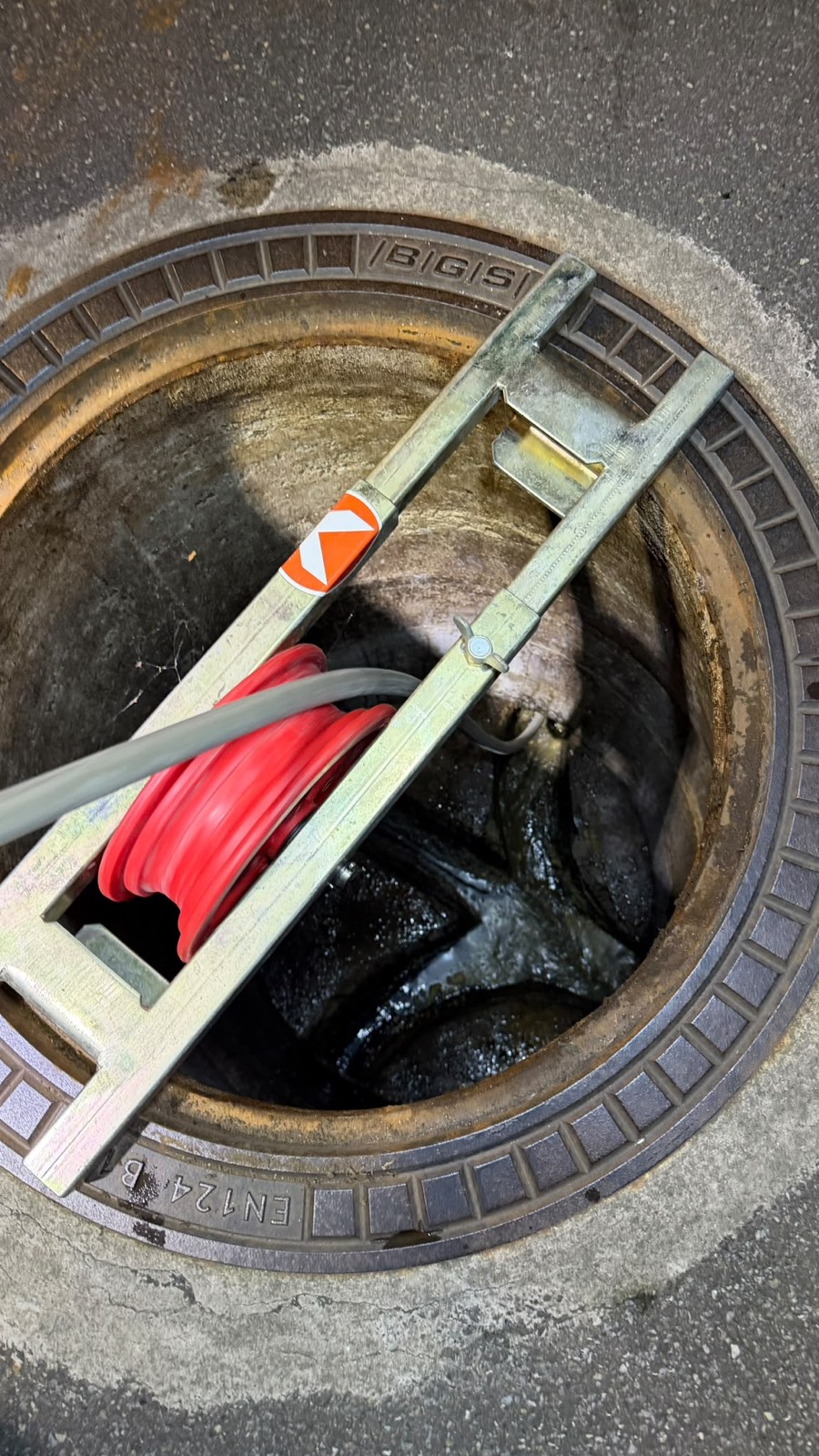
High-pressure water jetting in drains: how it works
High-pressure water jetting flushes grease, roots and deposits out of the drain with water under high pressure. How pressure, nozzles and the process work in detail.
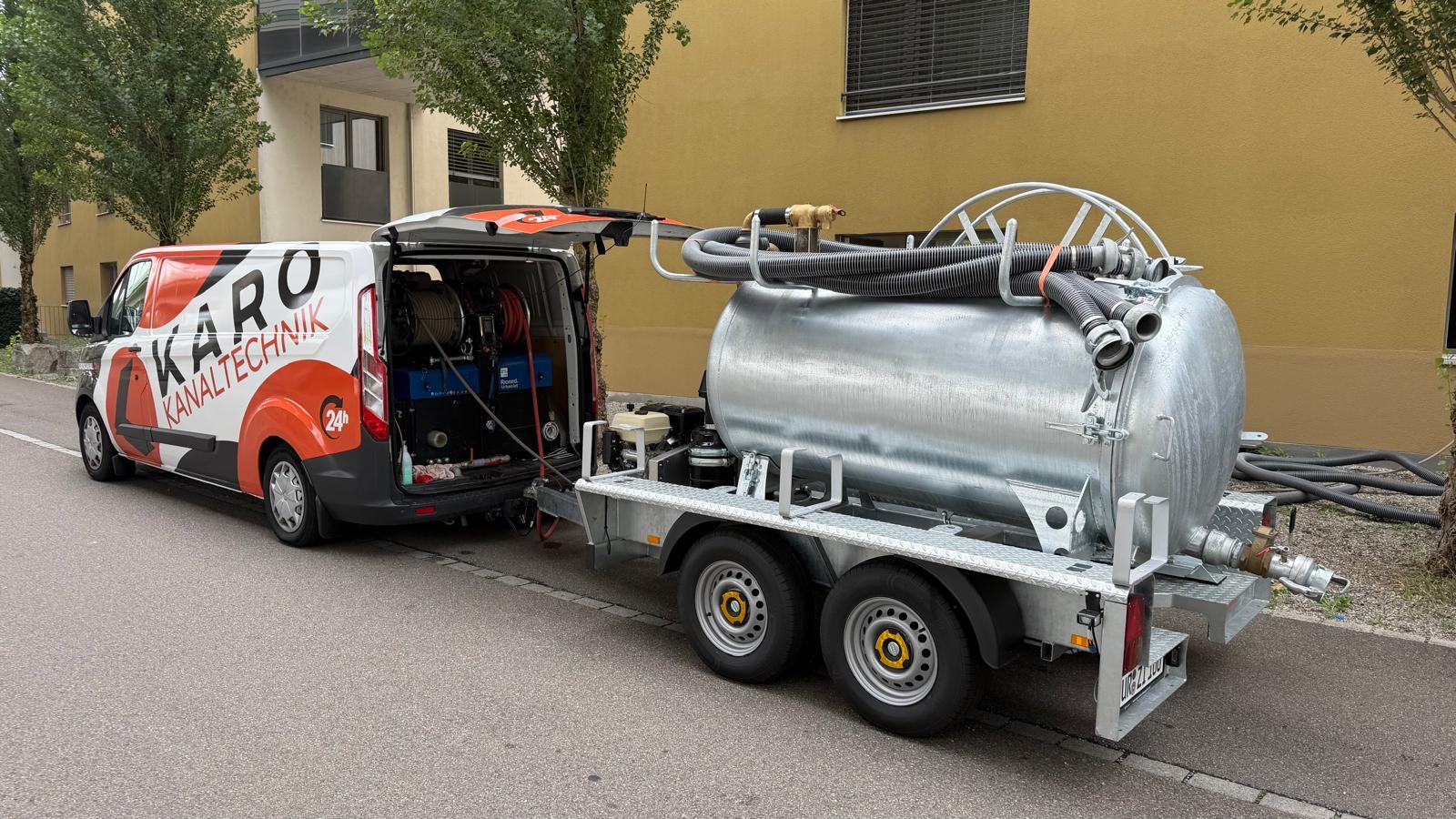
Jetting trucks and jetting vehicles: the technology behind them
A jetting truck combines a high-pressure pump, water tank and suction technology in one vehicle. How the technology behind professional drain cleaning works.
Slurry pit vs. soakaway pit: differences and function
A slurry pit is sealed and collects wastewater, a soakaway pit lets water seep into the ground. Differences, function and cleaning in a clear overview.
Cleaning and maintaining a soakaway pit: guide and intervals
A soakaway pit must be desludged and flushed clear regularly so that infiltration works. How the cleaning works and which intervals apply.
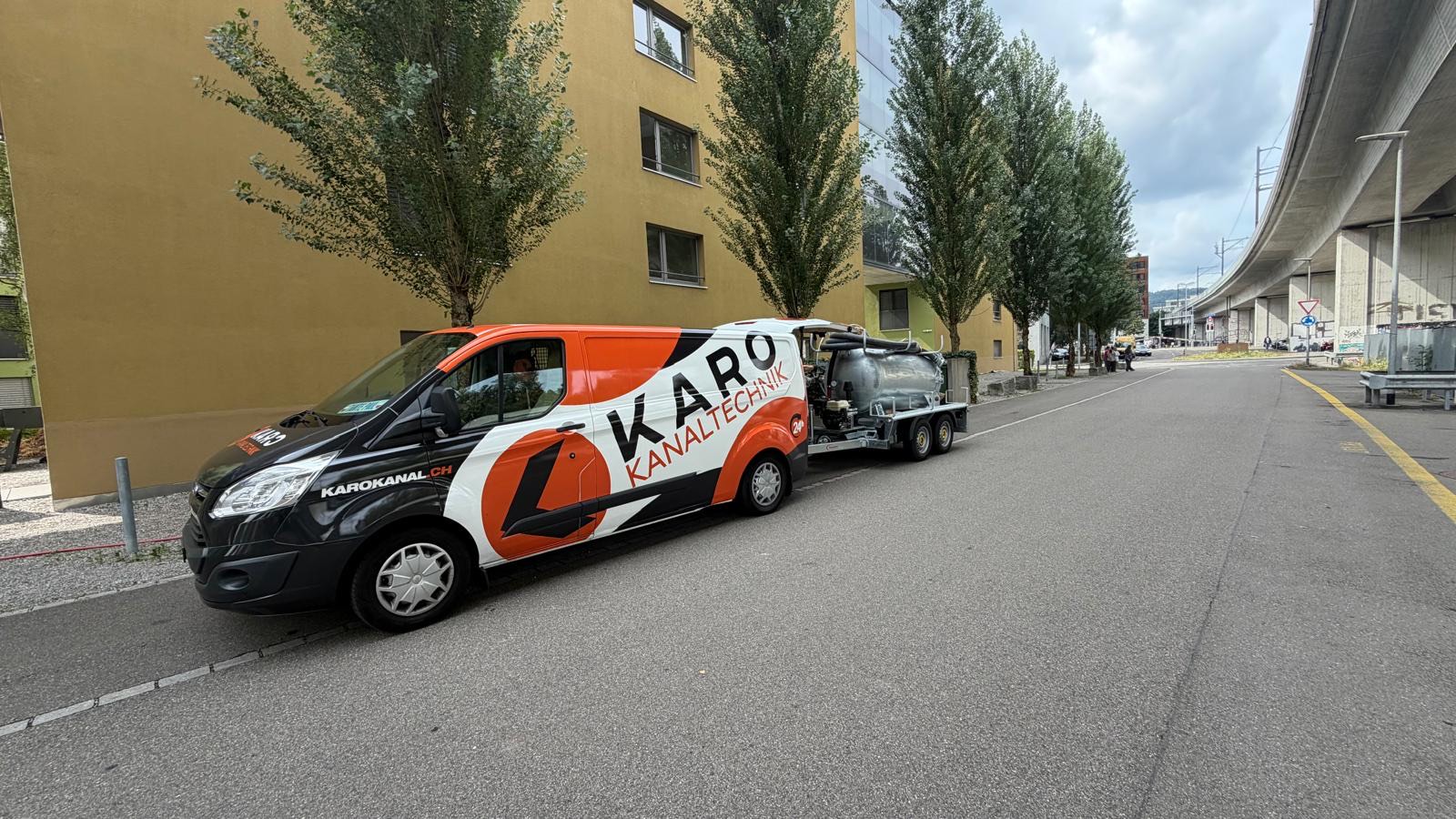
Drainage cleaning: when it is needed, process and costs
Blocked drainage leads to damp basements and waterlogging. Find out here when drainage cleaning is needed, how it works and what it costs.
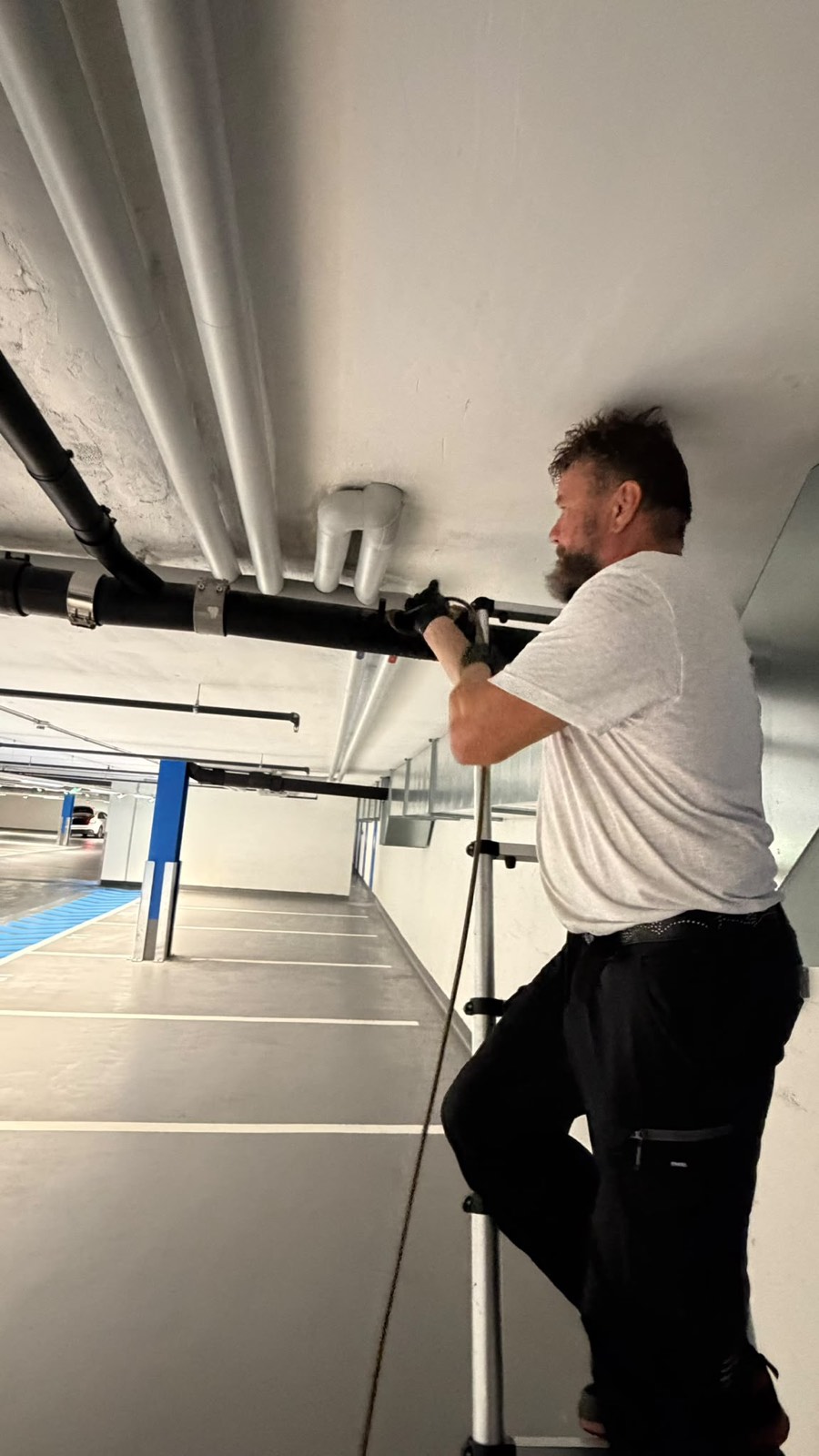
Backflow in the basement: causes, protection and backflow prevention
Backflow in the basement occurs when wastewater is pushed back from the overloaded sewer system. Causes, effective protection and the right backflow protection at a glance.
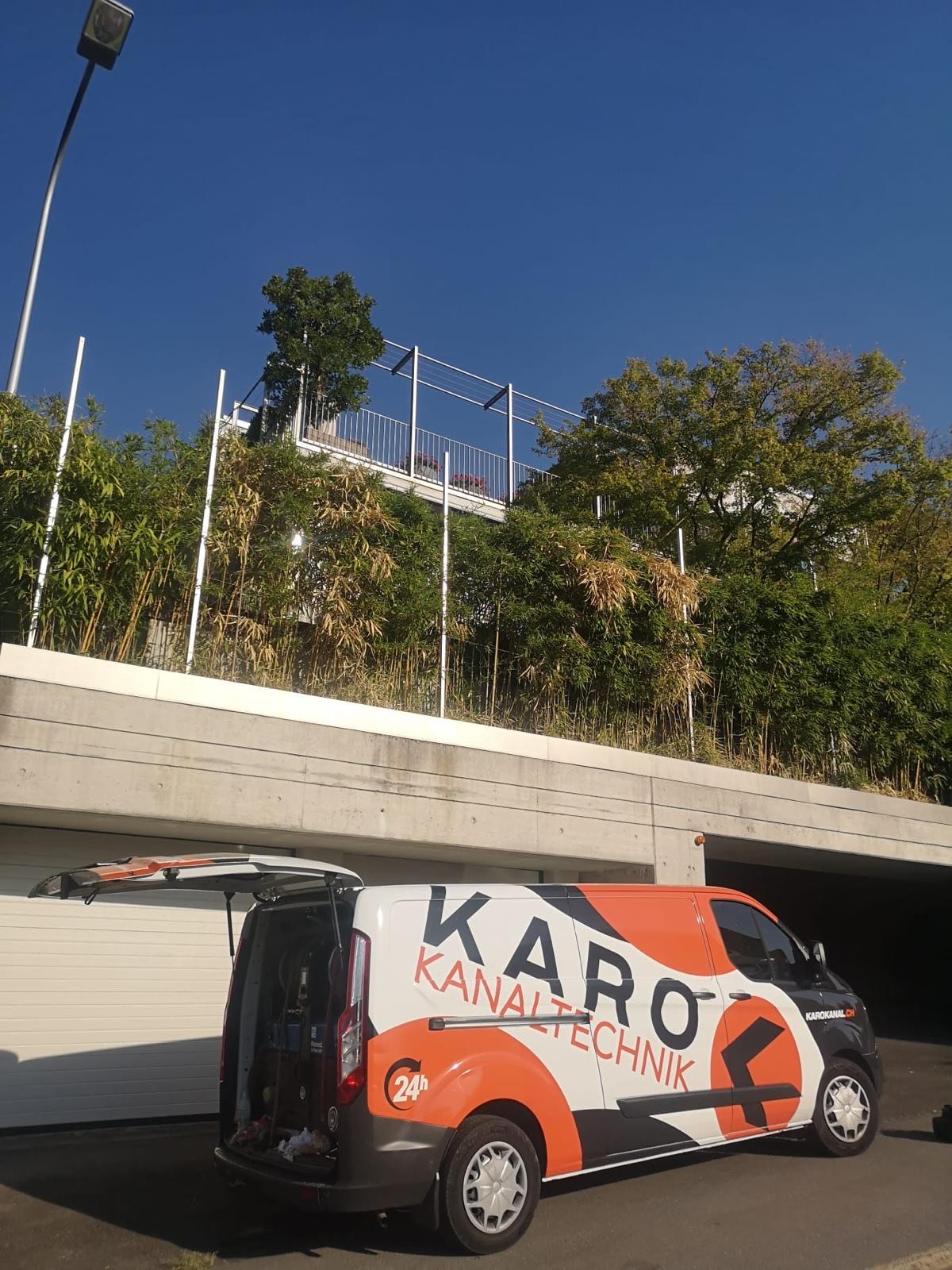
Cleaning stormwater and rainwater pipes: why and how
Stormwater and rainwater pipes fill up with leaves, sand and silt and cause flooding. Why cleaning them matters and how the work is carried out.
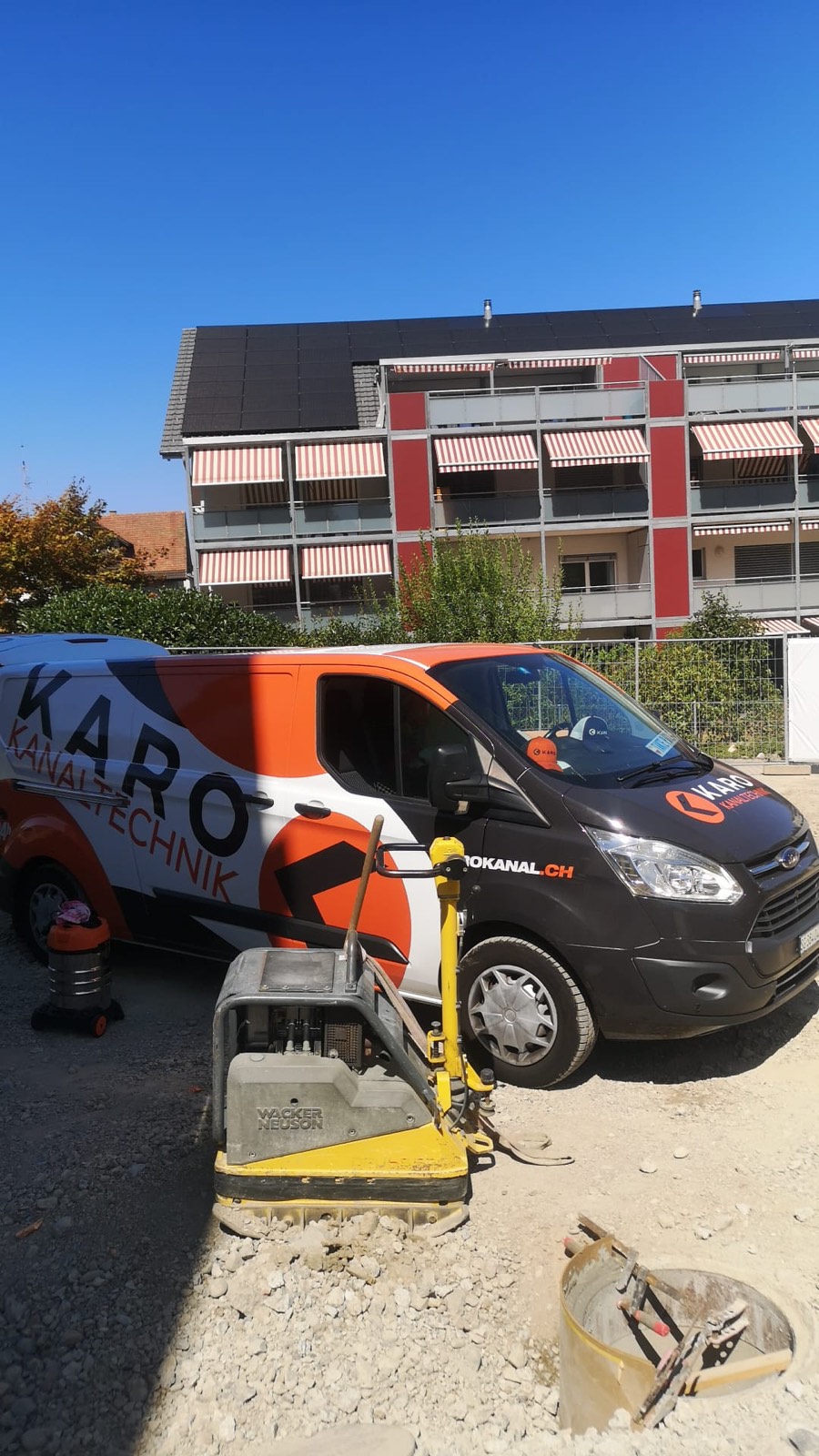
Underground drain rehabilitation: no-dig process and costs
Damaged underground drains can now be rehabilitated from the inside without digging up the ground. This is how pipe relining works and what costs to expect.
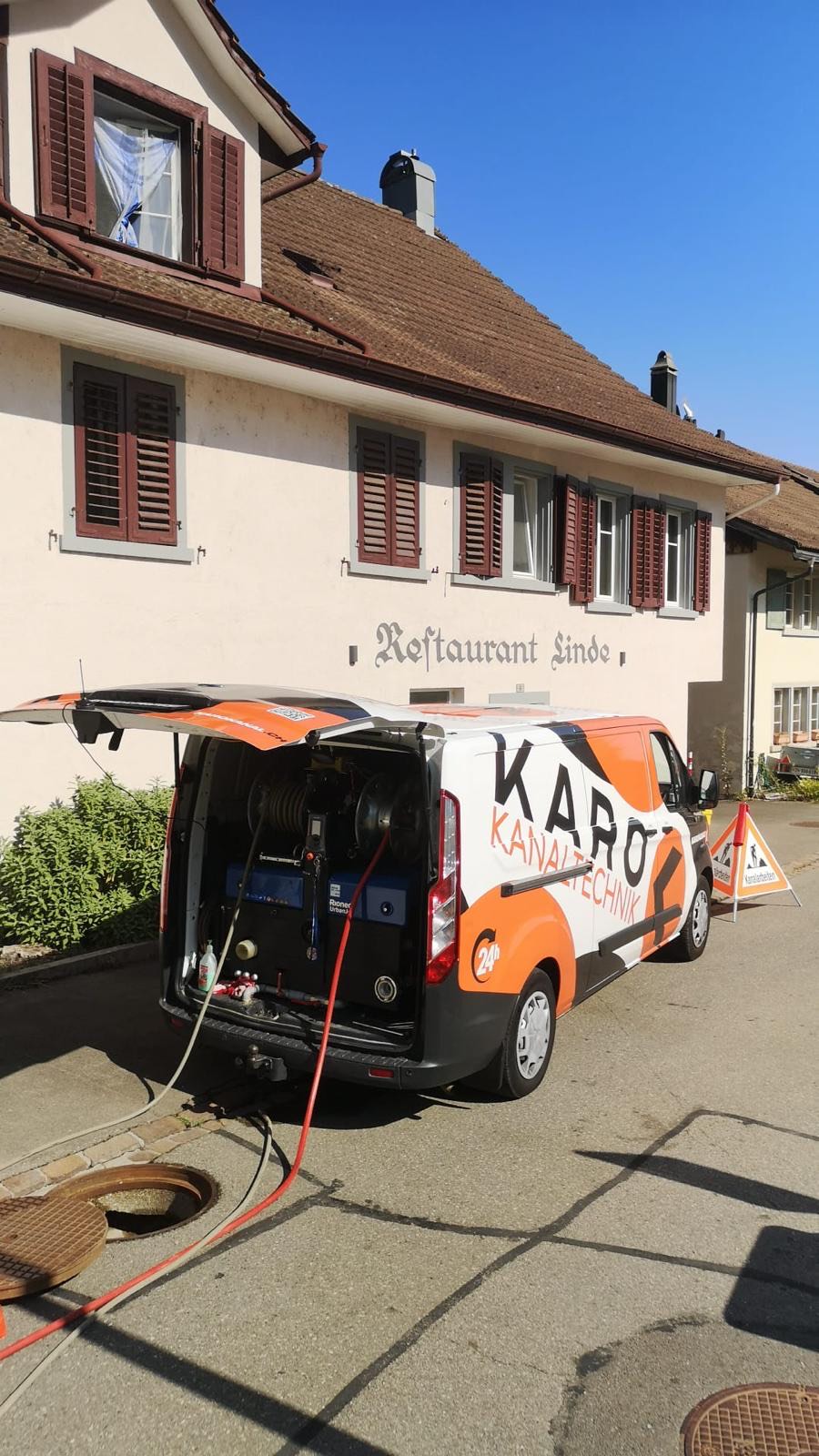
Commercial drain cleaning and grease separators: duties and costs
Restaurants and businesses are required to clean their grease separators regularly. Find out which duties, intervals and costs apply.
Blocked toilet: what to do? 7 steps and when to call a professional
Your toilet is blocked and the water is rising? Seven steps from plunger to toilet auger, what not to do, common causes, costs and who pays in a rented flat.
Burst water pipe: what to do and who pays?
Close the main stopcock, switch off the power, record the damage: how to act correctly after a burst water pipe and how to establish whether the municipality, the owner or the insurer pays.
Blocked shower, bath or washbasin: hair, soap and limescale
Hair, soap and limescale block washbasins, showers and baths in different places. How to clear the blockage yourself and tell when it lies further down.

Blocked kitchen drain: clearing fat, oil and food scraps
Fat, oil and food scraps are the most common cause of a blocked kitchen drain. Immediate steps, what does not help, how to dispose of cooking oil properly and what cleaning costs.

Blocked drain: who pays – tenant or landlord?
Washbasin, toilet or soil stack blocked: who pays for the drain cleaner? Minor upkeep, the polluter-pays principle, condominium ownership, proof by camera and tips for property managers.

Combined vs. separate sewer system: the difference explained simply
One sewer or two? What distinguishes the combined system from the separate system, how to identify the system at your own house, how misconnections are found and what a changeover means for owners.
Cleaning a trap: guide for washbasin, kitchen and shower
Water standing in the washbasin, the shower draining slowly or a smell in the kitchen? The plug is usually in the trap. How to clean it step by step – and how to tell when the problem lies deeper.