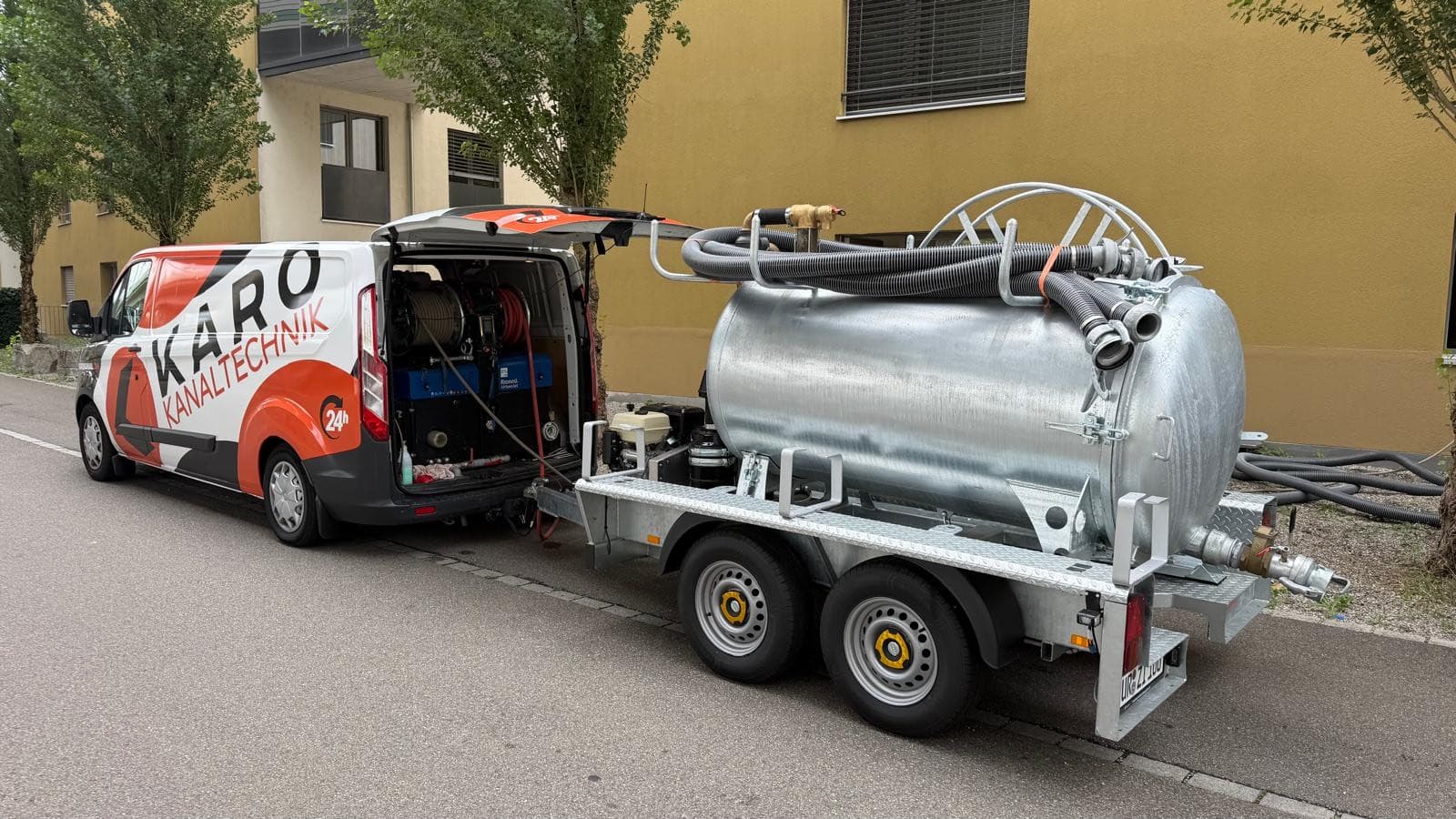
What is a jetting vehicle?
A jetting vehicle carries everything needed for hydrodynamic drain cleaning on board: water, a high-pressure pump, a long high-pressure hose with a jetting nozzle and – on a vacuum tanker or combination jet-vac unit – a suction unit with a sludge tank. It uses pure water pressure to loosen deposits in wastewater pipes and removes the dirt without the pipe having to be opened up or dug out.
In everyday use, the terms are not always kept neatly apart. ‘Jetter truck’ and ‘jetting unit’ usually mean the vehicle that jets; ‘vacuum tanker’ the vehicle that sucks out; ‘jetting vehicle’ or ‘combination jet-vac unit’ the vehicle that can do both. In every case they refer to the same tool: the mobile equipment without which thorough cleaning of underground drains, manholes and sewers would not be possible.
How does a jetting vehicle work?
The vehicle combines two systems: a high-pressure pump with a jetting hose and a powerful suction tank. Water is fed into the drain at high pressure through a jetting nozzle; it loosens deposits from the pipe walls and pulls the hose forward on its own.
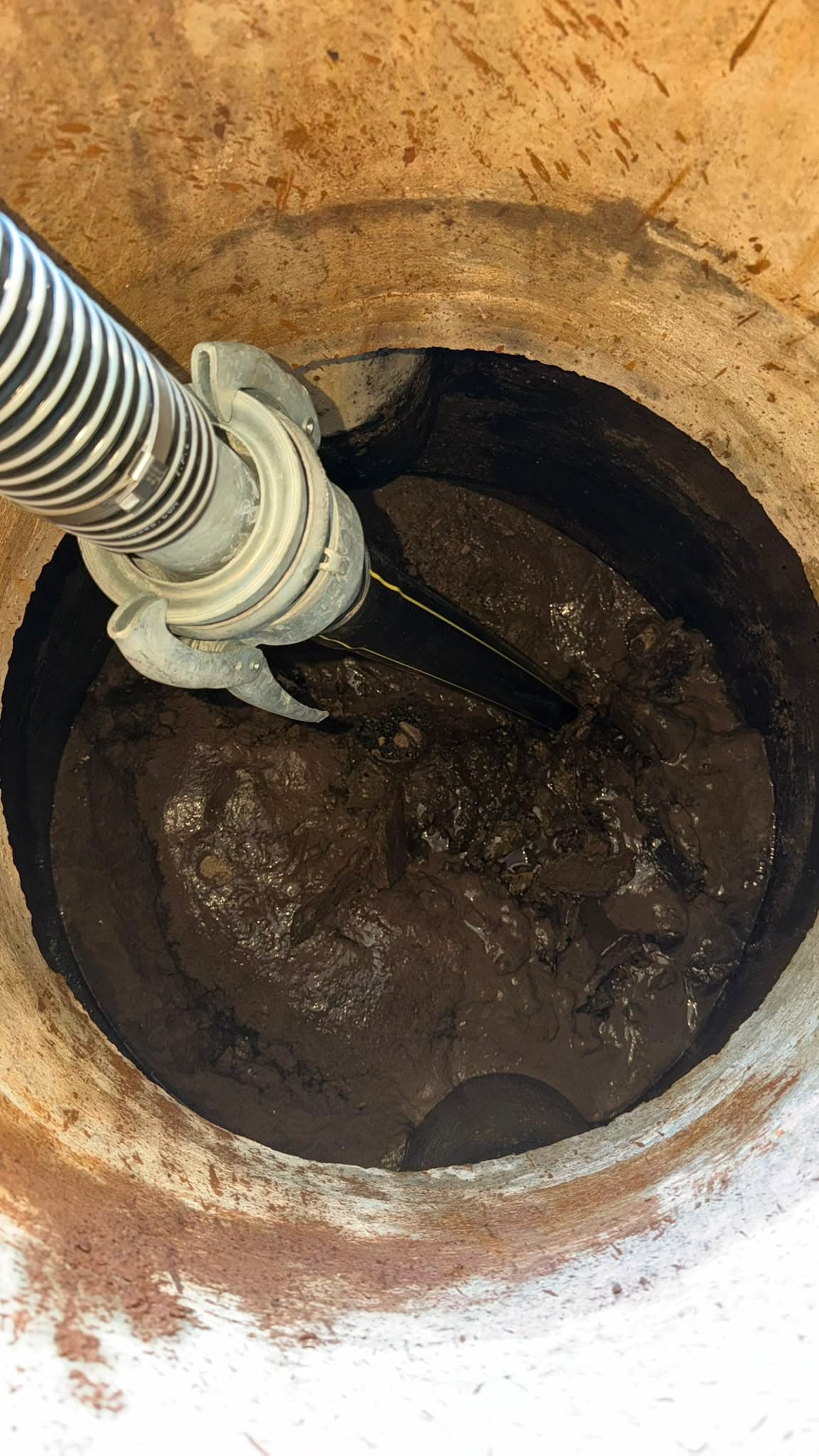
The loosened dirt collects in the manhole and is drawn into the vehicle’s tank through the suction boom. Cleaning and disposal therefore take place in a single operation.
Jetting is usually carried out against the direction of flow: the hose is fed into the pipe from the lower manhole, the nozzle pulls itself to the upper end and is then slowly drawn back. As it is retracted, the rearward-facing jets push sand, grease and sludge ahead of them to the starting manhole, where the suction hose picks everything up. Depending on how dirty it is, a section is run several times until the jetting water comes back clear.
Design: water tank, sludge tank, high-pressure pump, hose reel
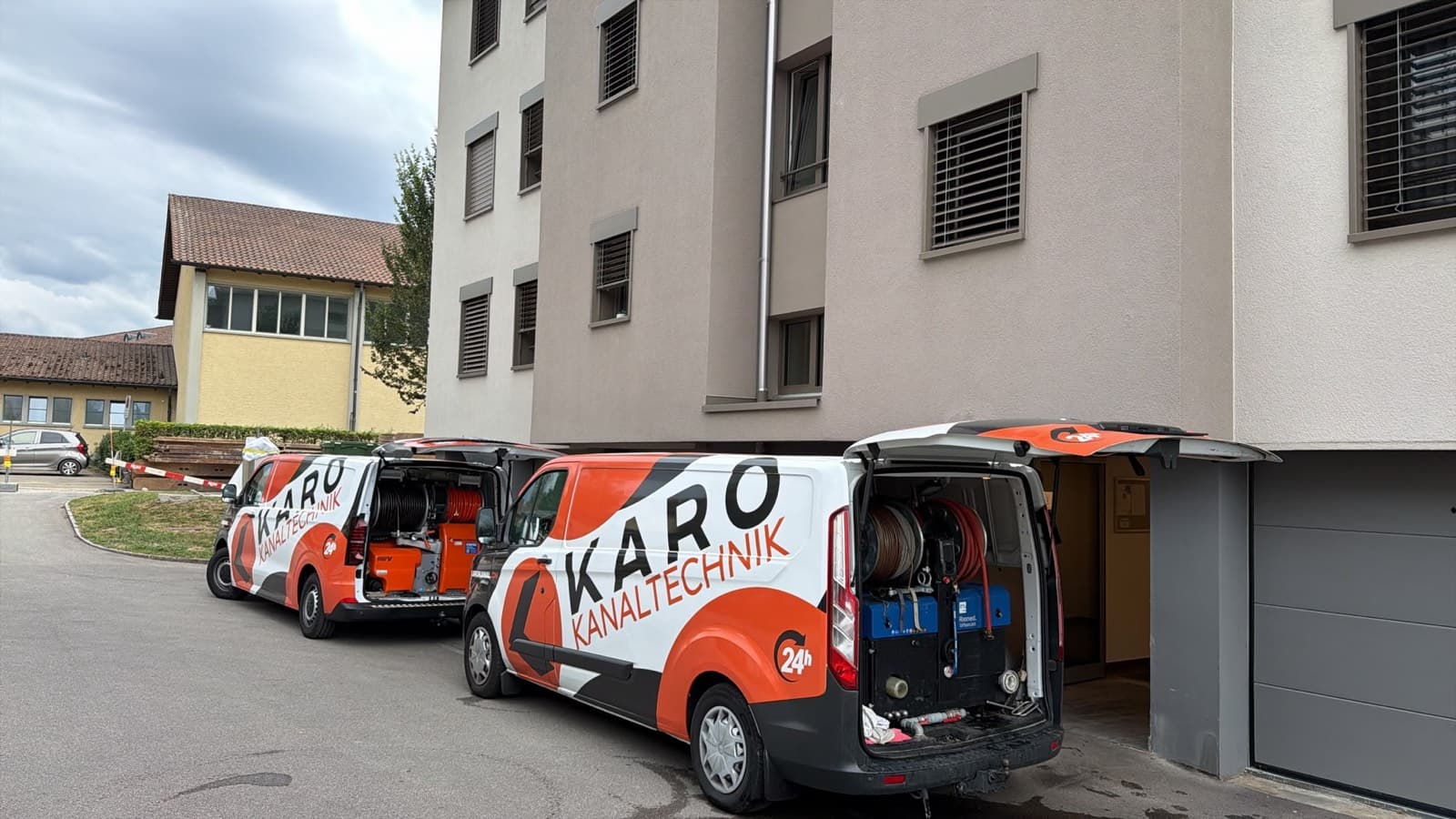
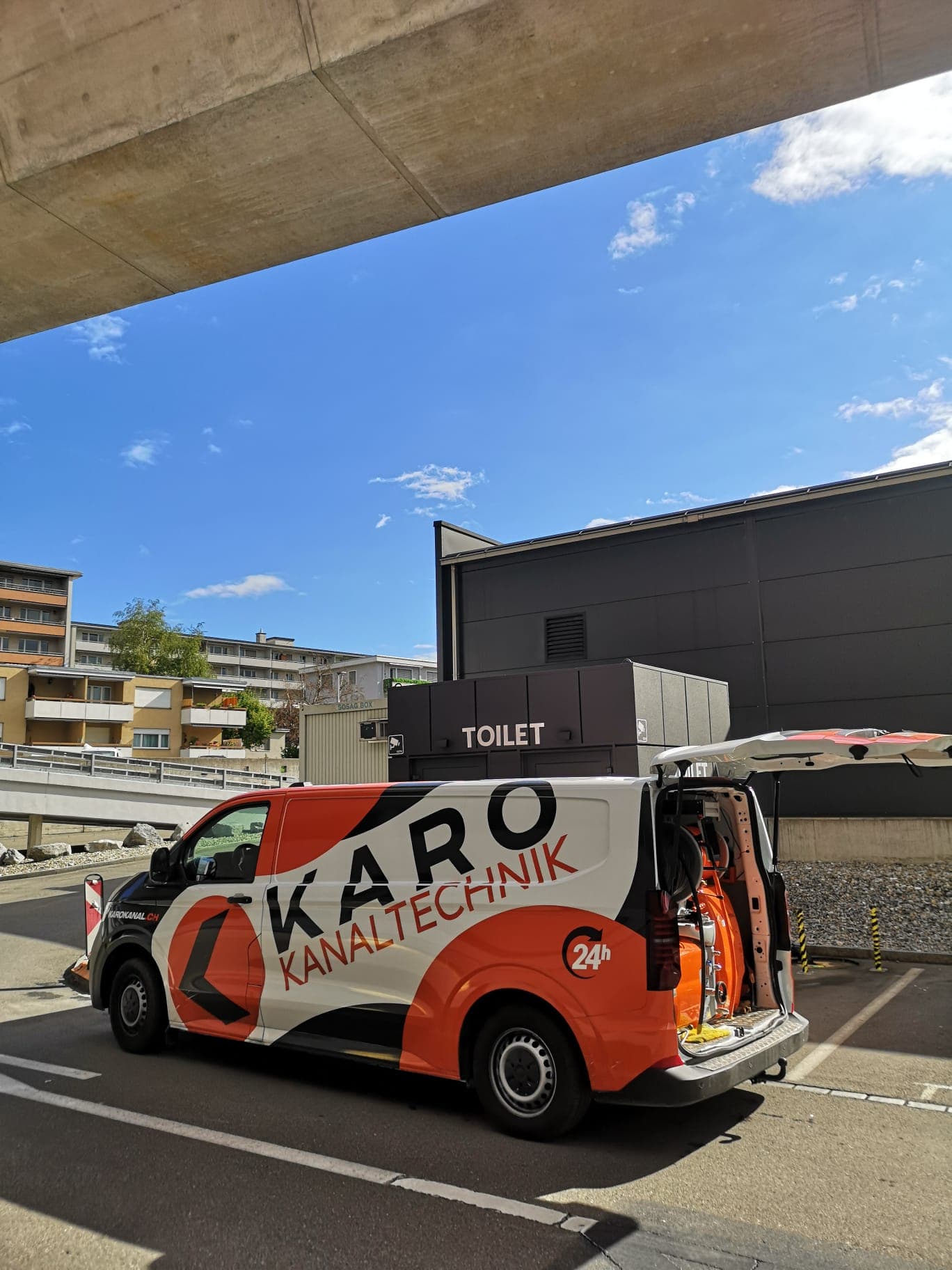
A jetter truck is the vehicle that generates the water pressure for hydrodynamic drain cleaning. On board are a water tank, a high-pressure pump and a high-pressure hose wound on a reel with a jetting nozzle. The nozzle works with rearward-facing jets: this lets it pull itself into the drain and clean the pipe wall as it goes. Karo Kanaltechnik jets at up to 200 bar and without chemicals – using only water pressure and mechanical action. The pressure is adjusted to the material and condition of the pipe, so that deposits are loosened without damaging sound pipes.
Vehicles with suction equipment also have a sludge tank and a suction unit. How large the individual components are depends on the vehicle type – the principle is the same for all of them.
Water tank
The water tank carries the jetting water. Because the vehicle brings its own water, a water connection on site is not strictly necessary. On larger jobs, the tank is topped up from a tap on the property or – with permission from the local water supplier – from a hydrant.
High-pressure pump
The high-pressure pump is the heart of the jetter truck. It brings the water up to operating pressure and sends it through the hose to the nozzle. At the control panel, the technician regulates pressure and water volume – gentler for delicate older pipes, more powerful for stubborn deposits in robust pipes.
Hose reel and jetting nozzle
The reinforced high-pressure hose is wound on a reel and is unrolled and rewound during jetting. The jetting nozzle sits at the end of the hose. A different nozzle is screwed on depending on the task: a cleaning nozzle for grease and sludge, a nozzle with flat jets for sand and gravel, and a rotating root cutter for root ingress.
Sludge tank and suction hose
The vacuum tanker draws foul water, sludge and sand through a thick suction hose into a tightly sealed sludge tank. The contents stay there until they are delivered to an approved disposal facility. This means none of the loosened material travels further into the sewer system.
Jetter truck vs. vacuum tanker: what is the difference?
A pure jetter truck cleans; a vacuum tanker sucks out. Combination vehicles do both: the high-pressure pump and suction system work in the same operation, so the loosened dirt does not stay behind in the drain. Because jetter trucks carry their own water tank, a water connection on site is not strictly necessary; vehicles with water recycling can also work independently for long periods away from hydrants.
A pure jetter truck is enough when only a small amount of material builds up that can flow away with the jetting water – for example in a blocked house drain with few deposits. A vacuum tanker on its own is used when there is nothing to jet, only something to empty: a silt trap, a soakaway pit or a cellar after a flood. The combination jet-vac unit is the right choice as soon as larger quantities of sand, sludge or grease are involved.
| Jetter truck | Vacuum tanker | Combination jet-vac unit | |
|---|---|---|---|
| Task | Loosen deposits with high pressure | Suck out sludge, water and sand | Loosen and suck out in the same operation |
| Equipment | Water tank, high-pressure pump, hose reel, nozzle | Suction unit, suction hose, sludge tank | Both combined |
| Typical use | Blockages in house drains and underground drains | Emptying silt traps, soakaway pits, grease separators | Sewers and manholes with heavy deposits |
| What happens to the dirt | Is flushed to the manhole | Goes straight into the sludge tank | Is loosened and sucked out immediately |
Water recycling: recycling vehicles and the environment
Many modern jet-vac vehicles have a water treatment system: the extracted foul water is cleaned in the vehicle and reused as jetting water. This saves fresh water and extends working time, because the water tank needs topping up less often.
This recycling technology makes drain cleaning more resource-efficient and more effective, especially on long sections of sewer.
The principle: sand and coarse solids settle in the sludge tank, filters hold back finer particles, and the clarified water is fed back to the high-pressure pump. What remains is a thickened sludge with a much smaller volume than the mixture originally sucked up. For the client, this means fewer interruptions to refill and fewer trips to the disposal facility.
On short jobs on a house drain, recycling hardly matters, because the water carried on board is sufficient. It comes into its own on long pipe runs, large properties and municipal sewers, where jetting goes on for hours.
Which vehicle size for what: house connection vs. collector sewer
For private underground drains, courtyards and narrow access routes, compact jetting vehicles or trailer units are suitable. They carry less water but are manoeuvrable and fit through low passageways, which are common in old towns. For public sewers, large properties and long pipe runs, heavy combination vehicles with large water and sludge tanks are used.
Which size makes sense depends on the pipe diameter, the length of the pipe, accessibility and the amount of material to be removed. Jetter trucks are used for underground drains, house connections, manholes and rainwater pipes – both in scheduled maintenance cleaning and in the emergency service for acute blockages or backflow. Afterwards, the condition of the cleaned pipe can be documented with a camera inspection.
A common obstacle is not the pipe but the route to it: many cleaning access points are in underground car parks, cellars or back courtyards. A compact van-based vehicle can get right up to the manhole there, whereas a large lorry would have to stay on the road and lay out the hose over long distances.
| Location | Suitable vehicle | Why |
|---|---|---|
| House connection, underground drain of a single-family home | Compact jetter truck on a van | Manoeuvrable, fits into driveways and underground car parks |
| Apartment building, commercial property | Van with suction-tank trailer or combination vehicle | More deposits, sludge has to be sucked out |
| Silt trap, grease separator, soakaway pit | Vacuum tanker or combination jet-vac unit | Contents are sucked out and disposed of |
| Collector sewer, public sewer system | Heavy combination vehicle, often with water recycling | Large diameters, long pipe runs, a lot of material |
What is the vacuum tanker used for?
Jetting vehicles clean underground drains, collector sewers, manholes and special structures. They empty grease separators, silt traps, soakaway pits and slurry pits, and pump out water during floods.
Thanks to different nozzle and hose sizes, pipes of a wide range of diameters can be handled, from the house connection to the large public sewer.
Typical reasons for a call-out are backflow in the cellar, a gurgling floor drain, a sewer smell on the property or the regular maintenance cleaning that property management companies and commercial businesses schedule. For restaurants and commercial kitchens, emptying the grease separator with the vacuum tanker is routine.
How Karo Kanaltechnik uses the jetter truck
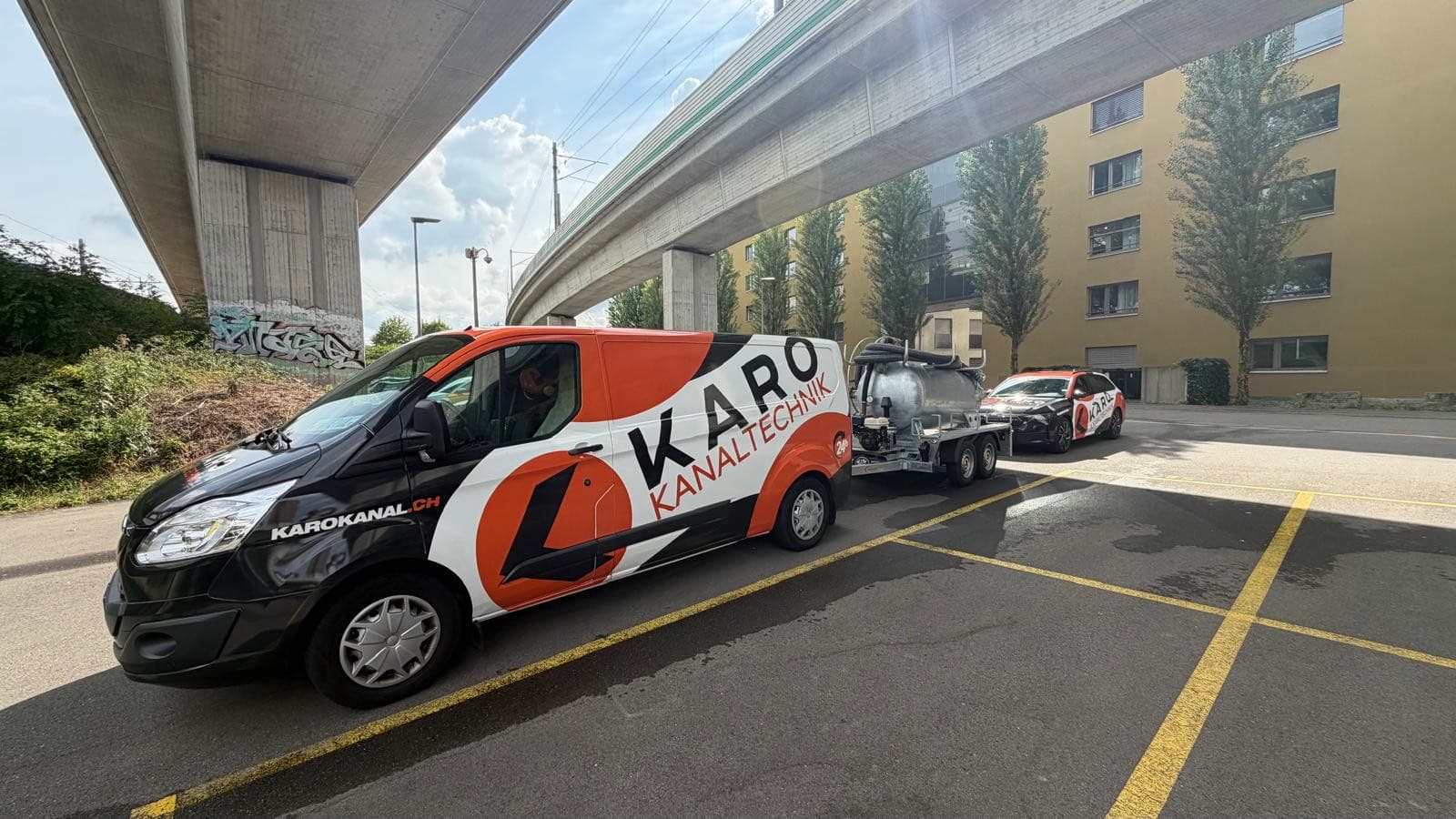
Karo Kanaltechnik works with compact van-based service vehicles that carry a high-pressure hose reel on board, and combines them with a tank trailer to form a jet-vac combination when needed. Compact vehicles get closer to courtyards, driveways and narrow residential streets – to where the cleaning access points of residential and commercial properties actually are.
Jetting is chemical-free at up to 200 bar. On request, the pipe is inspected with a camera after cleaning and its condition is documented to SN EN 13508-2. Billing is based on time spent: CHF 160 per hour plus a CHF 60 call-out fee (excl. VAT); the camera check costs from CHF 50 extra. A one-hour job including the call-out therefore costs CHF 220 excl. VAT or CHF 237.82 incl. 8.1% VAT. For a single-family home, a job usually costs between CHF 150 and CHF 400.
Hire a vacuum tanker or call in a specialist?
Anyone searching for ‘vacuum tanker hire’ usually does not need the vehicle but a job done: a clear pipe, an emptied manhole or an emptied pit. Operating a jet-vac vehicle takes experience – the pressure has to suit the pipe, the nozzle has to suit the dirt, and the contents of the sludge tank have to be disposed of in line with regulations. High pressure used incorrectly can cause further damage to older or already damaged pipes.
With a specialist company like Karo Kanaltechnik, you therefore do not order the vehicle but the job: vehicle, team, suitable nozzles and, on request, the camera check with a report. The cost depends on the actual time and effort involved.
In an industrial estate in Regensdorf, a collector sewer is choked with sand and sludge. Karo Kanaltechnik arrives with the jet-vac combination: the technician feeds the high-pressure hose in from the lower manhole against the direction of flow, jets the sewer clear section by section and sucks the deposits in the manhole straight into the tank. Only when the jetting water comes back clear is the section finished. Finally, on request, the pipe is inspected with the camera, so the business can see that the sewer is clear again and receives documentation of the pipe’s condition.