A drain snake is a flexible, bendable metal cable that is inserted into a blocked pipe in order to break up blockages mechanically or pull them out. At the front end is a tool head that works its way through hair, grease, deposits or roots by rotating. It is excellent for localised blockages, but reaches its limits with deep-seated or structural problems.
In this article, we explain how a drain snake is constructed, which cases it is suitable for and where the difference lies between simple DIY-store devices and professional equipment. This will help you to judge better when it is worth doing it yourself and when a specialist firm is needed.
Design and how it works
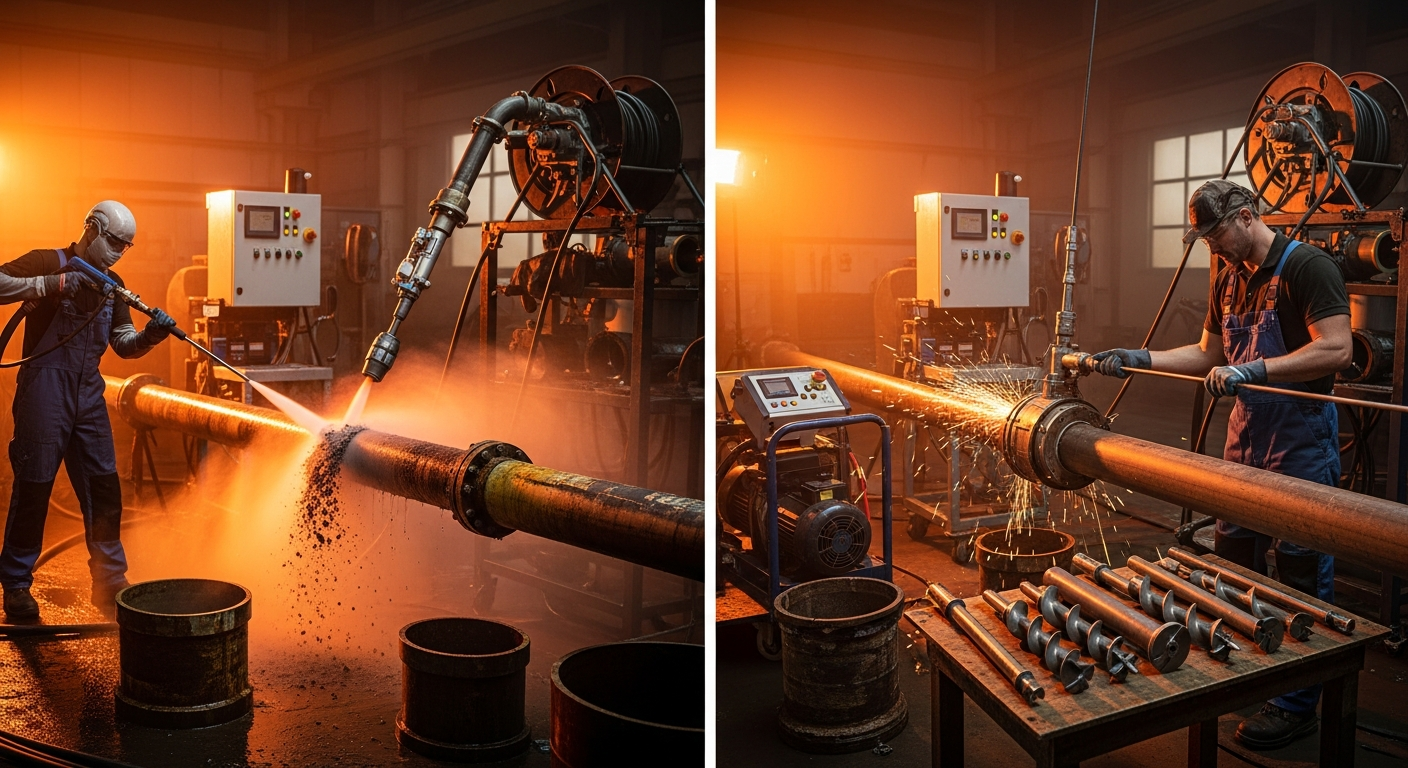
The heart of every drain snake is a cable wound from spring steel that is both flexible and torsionally rigid. This combination allows it to be guided around pipe bends while still transmitting the rotary motion right to the tip. At the end there is a drill, cross, scraper or root head, depending on the task.
In use, the snake is pushed forward until resistance can be felt and then rotated. The tool head breaks up the blockage or hooks into it so that it can be pulled out. The pipe is then flushed with water to carry away the loosened residue.
Hand-operated snake versus motorised snake
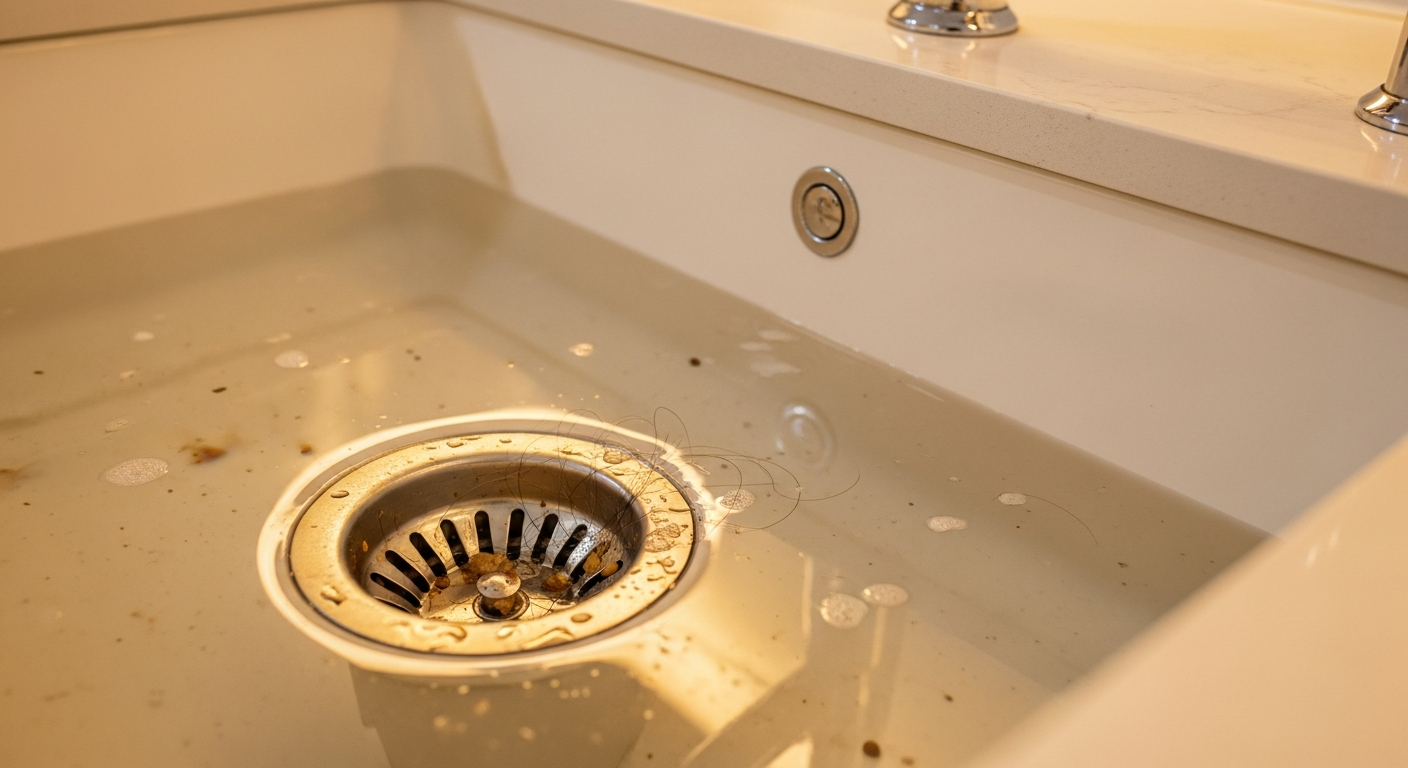
Hand-operated snakes for household use are short, thin and intended for simple blockages in washbasins, showers or the trap. They are turned by hand or with a crank and only reach a few metres. They are perfectly suitable for the typical hair blockage in the bathroom.
Motorised snakes, as used by specialist firms, have considerably more length, diameter and torque. They are part of a professional drain cleaning machine and are operated by trained staff. Only with them can long underground drains, stubborn deposits or root ingress be tackled reliably.
What the drain snake is particularly suited to
The drain snake plays to its strengths with solid, localised blockages. Balls of hair, clumped soap residue, small foreign objects or ingrown roots can be gripped and removed mechanically. Roots growing into the pipe through leaking joints in particular are a classic case for a special cutting head, such as the one also used for root cutting.
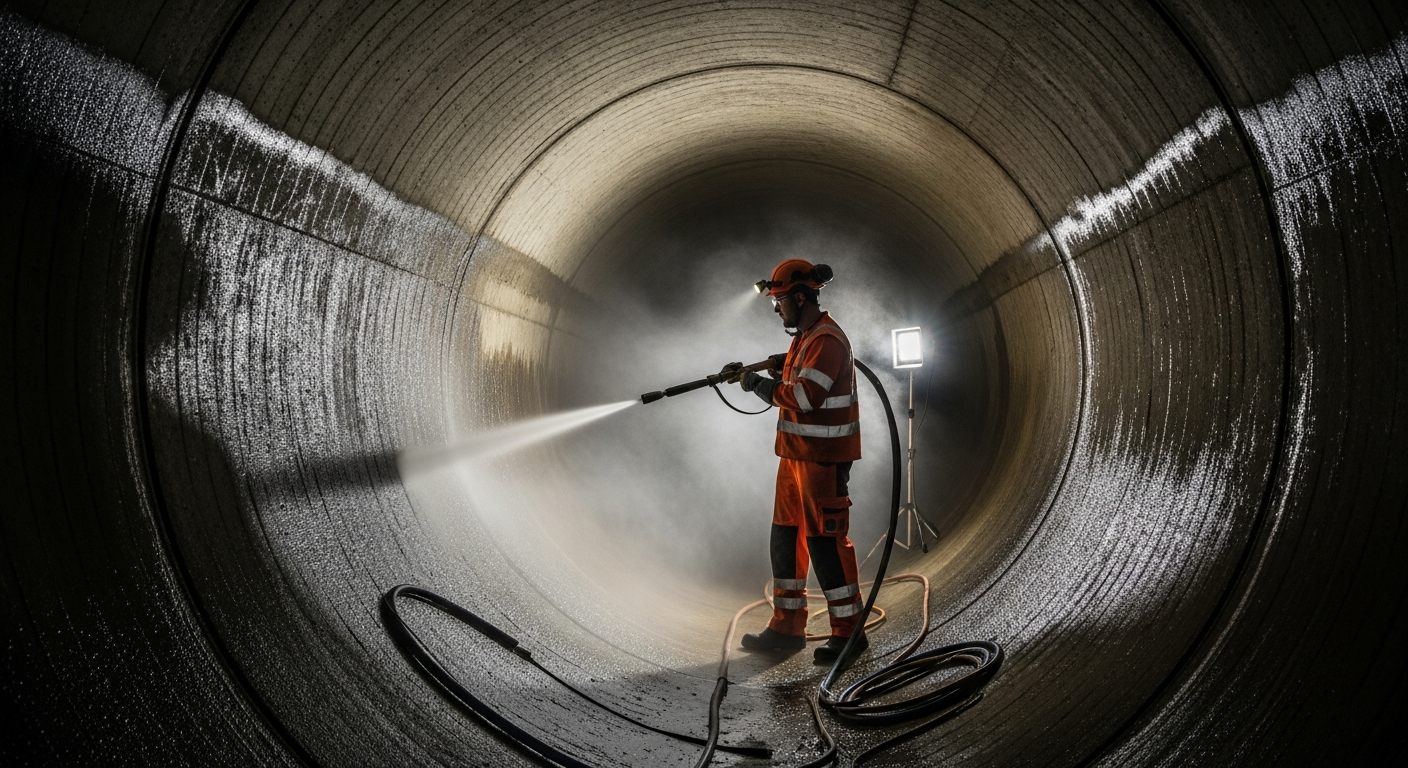
In many cases, the professional combines the drain snake with other methods. After a hard blockage has been broken up mechanically, subsequent high-pressure jetting ensures that the pipe walls are completely clean and no residue is left behind.
Where the drain snake reaches its limits
The drain snake can open up a blockage, but does not clean the entire surface of the pipe walls. Extensive layers of grease or encrustations over long stretches are difficult to remove completely by mechanical means. Here, high-pressure jetting is superior because it flushes the pipe all round.
The drain snake is also the wrong tool for structural causes. Pipe collapses, displaced joints, sagging or gradient defects cannot be fixed with it. If too much force is applied, a drain snake can also damage seals or break off in a tight bend. Such cases require a CCTV drain survey and, where necessary, no-dig pipe relining.
Safety and typical mistakes
A common mistake when using a drain snake yourself is applying too much force. If the snake gets caught, you should proceed carefully instead of forcing it to keep turning. Otherwise there is a risk of a broken cable, which makes the situation considerably worse. Gloves and safety goggles are also important, as dirty water and residue can escape when it is pulled out.
If you are unsure how deep the blockage is or whether there is a structural cause, you should not experiment. An incorrectly guided tool in a damaged pipe can cause more expensive consequential damage than the original defect.
Conclusion: a proven tool with a clear area of use
The drain snake is a proven, effective tool for solid, localised blockages and root ingress. For cleaning entire surfaces and for structural problems, however, other methods are needed. In professional practice, it is therefore one building block among many, used in a targeted way and in combination.
Does your blockage persist despite your own attempts, or does it keep coming back? Then there is often more to it. Call us on +41 43 588 12 08. Our team at six locations in Frauenfeld, St. Gallen, Winterthur and Zurich will help with the right equipment, and in an emergency round the clock via our 24/7 emergency service.