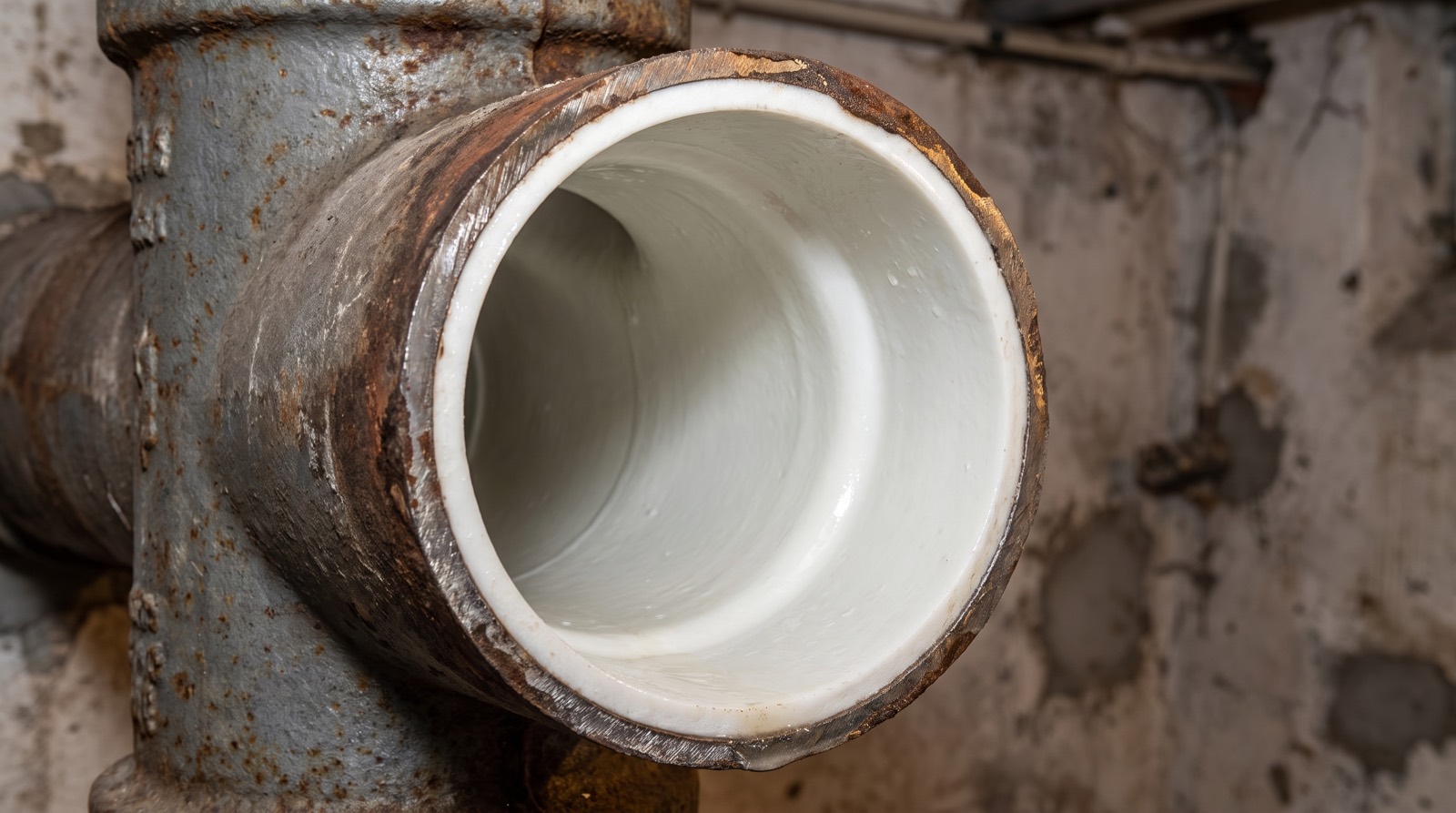
A defective wastewater pipe can be rehabilitated with the CIPP liner method without any need for excavation: a resin-impregnated liner is pulled into the existing pipe and cures there to form a new, watertight pipe. In Switzerland this usually costs CHF 250 to CHF 600 per metre – considerably less than open-cut rehabilitation with excavation and reinstatement of paving and garden. All prices are guide prices; the binding quote follows after the CCTV drain survey.
Especially for wastewater pipes that run under the house, the driveway or the garden, the trenchless method is often the only economically sensible solution. Instead of days of digging, the rehabilitation is usually done in a single day – a big difference to residents' everyday lives. The surroundings are spared too: lawns, terrace slabs, trees and the driveway do not have to be removed and laboriously reinstated later. It is precisely this combination of speed and gentleness that makes the CIPP liner method so popular.
How can you tell a wastewater pipe is defective?
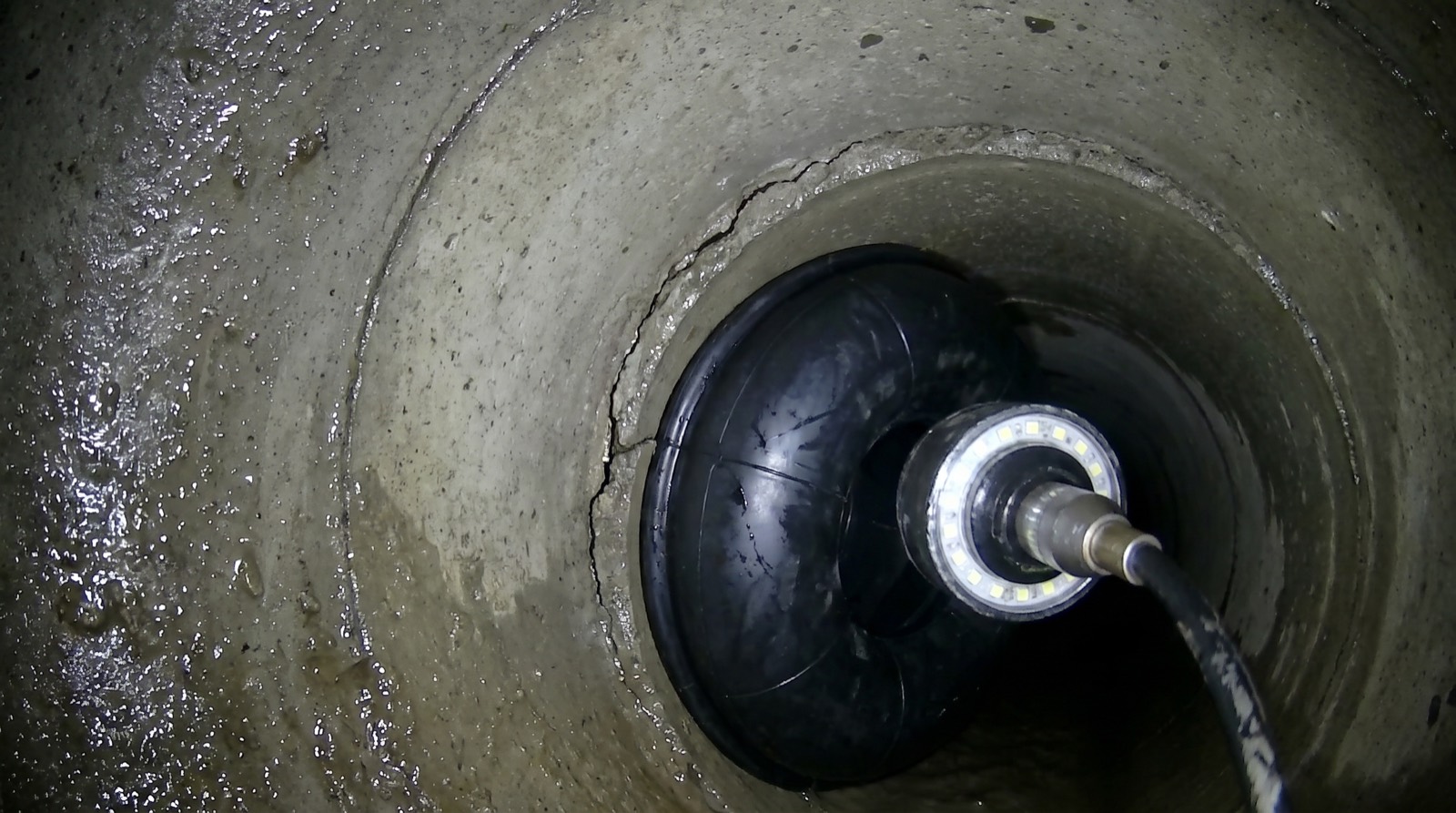
Typical signs are recurring blockages, backflow, unpleasant odours, gurgling noises, damp or subsidence in the ground above the pipe, and rat infestation – because rats use every gap in the pipe, and a rat barrier only works if the pipe is watertight. The causes are usually cracks, broken pipes, leaking joints, pipe offsets or root ingress. Only a CCTV drain survey, which locates the damage exactly, provides clarity. Anyone who ignores such signs risks water damage to the foundations and expensive follow-on costs.
How does CIPP liner rehabilitation work?
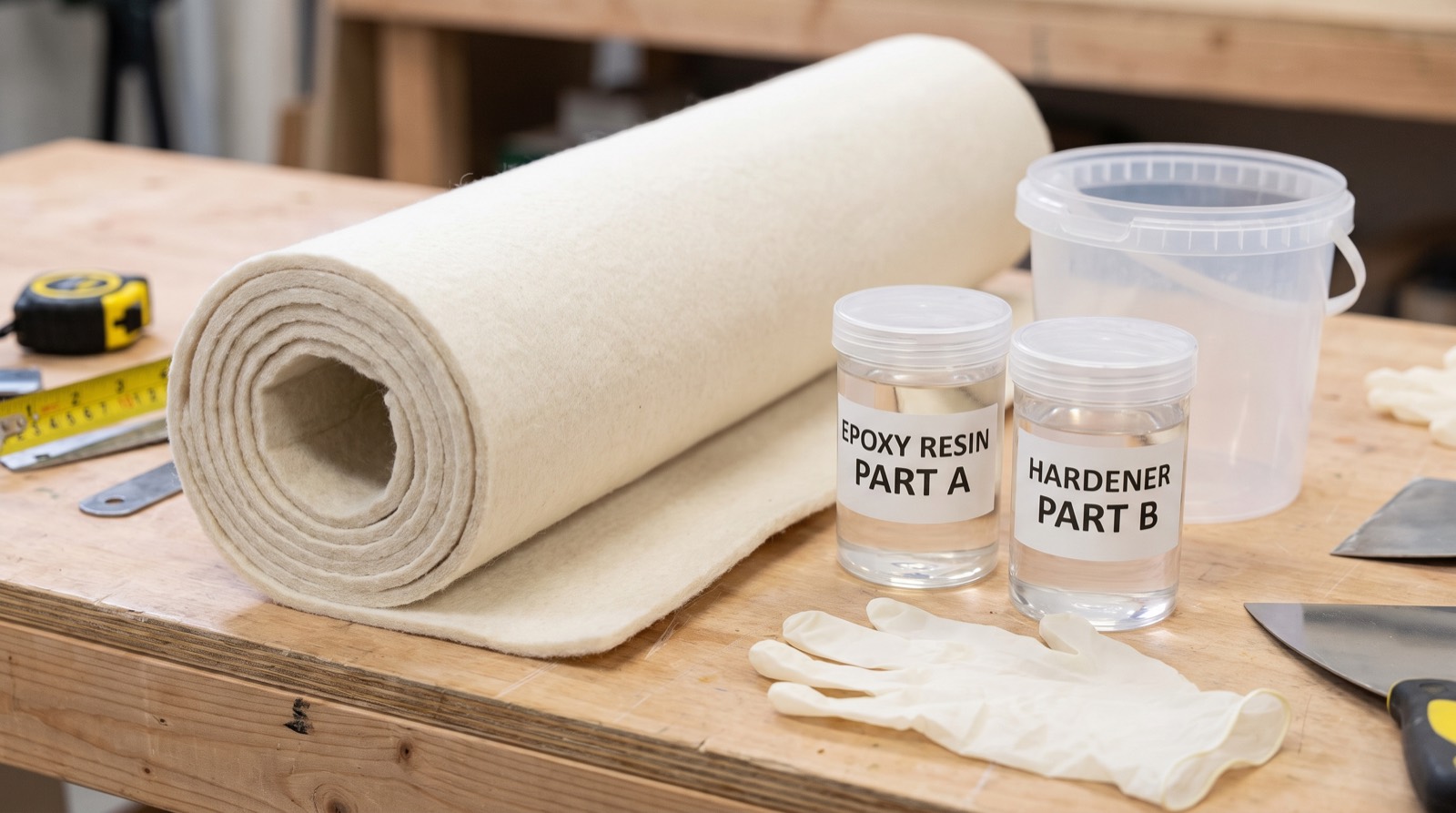
After cleaning and inspection, a carrier liner impregnated with two-component resin is inserted into the pipe. It is pressed against the pipe wall and cured with hot water, steam or UV light. Afterwards, there is a new, seamless pipe with a smooth surface inside the old pipe. For a single damaged spot, a patch liner that seals only that section is often enough – a particularly cheap and quick option.
Why rehabilitate without digging?
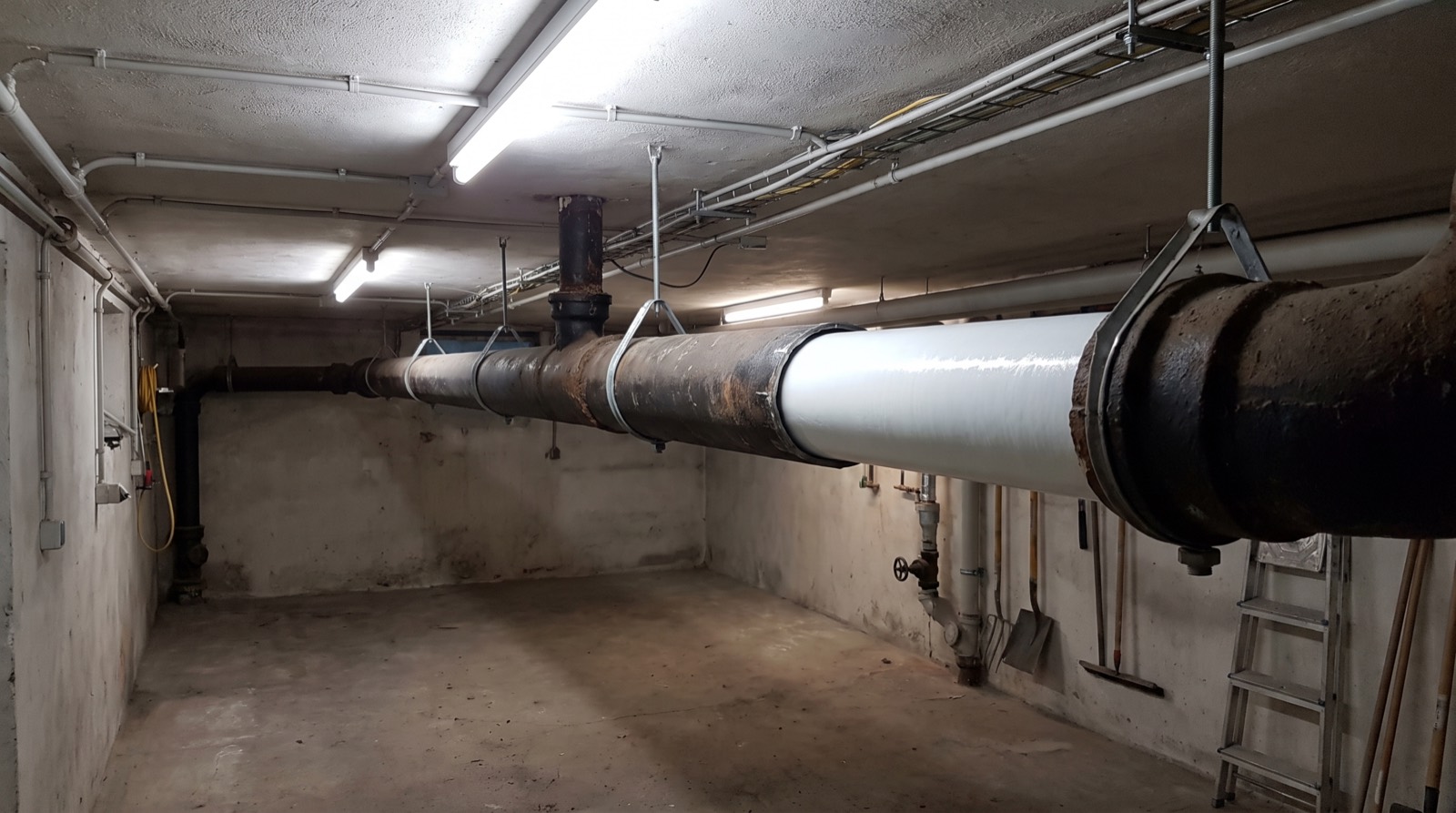
The decisive advantage lies in the ancillary costs: digging involves an excavator, excavation, disposal, backfilling and reinstating paving, slabs or lawn – items that often cost several thousand francs. With a CIPP liner, all of that is eliminated. In addition, your property remains intact, trees are not damaged and the disruption to everyday life is minimal. Indoors, too, for example with soil stacks in the building, trenchless rehabilitation is considerably less invasive.
What does rehabilitation without digging cost?
Guide prices are: continuous CIPP liner CHF 250 to CHF 600 per metre, local patch liner from CHF 800 per damaged spot. On top of that come the CCTV drain survey (from CHF 50, ±15%), cleaning (CHF 160 per hour) and the call-out (CHF 60). The price per metre depends on the diameter and condition. If you offset the earthworks and surfacing saved compared with open-cut construction, the trenchless option is usually the cheaper overall solution – often by several thousand francs. How large the saving actually is depends on the route of the pipe and the surface above it. The more elaborate the reinstatement would be after open excavation, the greater the advantage of the trenchless method.
Is the rehabilitated pipe permanently watertight?
Yes. The cured CIPP liner is a structurally load-bearing, watertight pipe that no longer offers roots any point of attack and allows wastewater to flow away smoothly. The service life is around 50 years. An acceptance survey after the rehabilitation documents that the work has been carried out properly and serves as proof for your insurer, the authorities or a buyer.
Which wastewater pipes is the CIPP liner suitable for?
The method works for house connections and underground drains, soil stacks and collector pipes across a wide range of diameters. The prerequisite is a basic structure that is still load-bearing. If a pipe has completely collapsed or is badly displaced, we look at alternative solutions – this is also clarified by the preliminary CCTV drain survey. This way you get a realistic assessment from the outset of which method is technically possible and economically sensible.
Prevention after the rehabilitation
After a successful rehabilitation, it pays to keep the pipe in good condition through regular checks and cleaning as required. Because the CIPP liner has a smooth surface, grease and dirt build up less, and blockages become less frequent. If you also pay attention to what you dispose of – no wet wipes, grease or hygiene products down the toilet – you extend the trouble-free life of your pipe even further.
CIPP liner or excavation: a decision guide
Whether a CIPP liner or open-cut construction is the right choice depends on the condition and location of the pipe. Points in favour of the CIPP liner: a basic structure that is still load-bearing, a route under buildings, terraces, driveways or trees, and the wish for a quick, clean solution. Points against the CIPP liner and in favour of local excavation, on the other hand, are a completely collapsed pipe, a severe offset or a spot that the camera can no longer get past. In many cases the two can even be combined: repair the one problem spot by open excavation and rehabilitate the rest without digging.
It is important not to make this decision on gut feeling but on the basis of the CCTV drain survey. A reputable provider will not automatically recommend the most expensive method, but the one that fits technically and makes economic sense. At Karo Kanaltechnik you therefore receive a neutral assessment of your pipe together with a clear recommendation – and the decision always remains in your hands.
A common concern is whether you can carry on living in the house during the rehabilitation. In the vast majority of cases the answer is yes: as there is no digging and the work is carried out via existing access points, the living space remains usable. Only the affected wastewater pipe must not be used for a few hours. We agree the schedule with you so that the restriction is kept to a minimum – for example by carrying out the work in the morning so that the pipe is fully operational again in the evening.
Do you suspect damage to your wastewater pipe? Have it investigated before it gets worse. Our guide price configurator gives an initial estimate, and after the CCTV drain survey you receive a binding quote. Karo Kanaltechnik can be reached via its 24/7 emergency service – call us on +41 43 588 12 08.