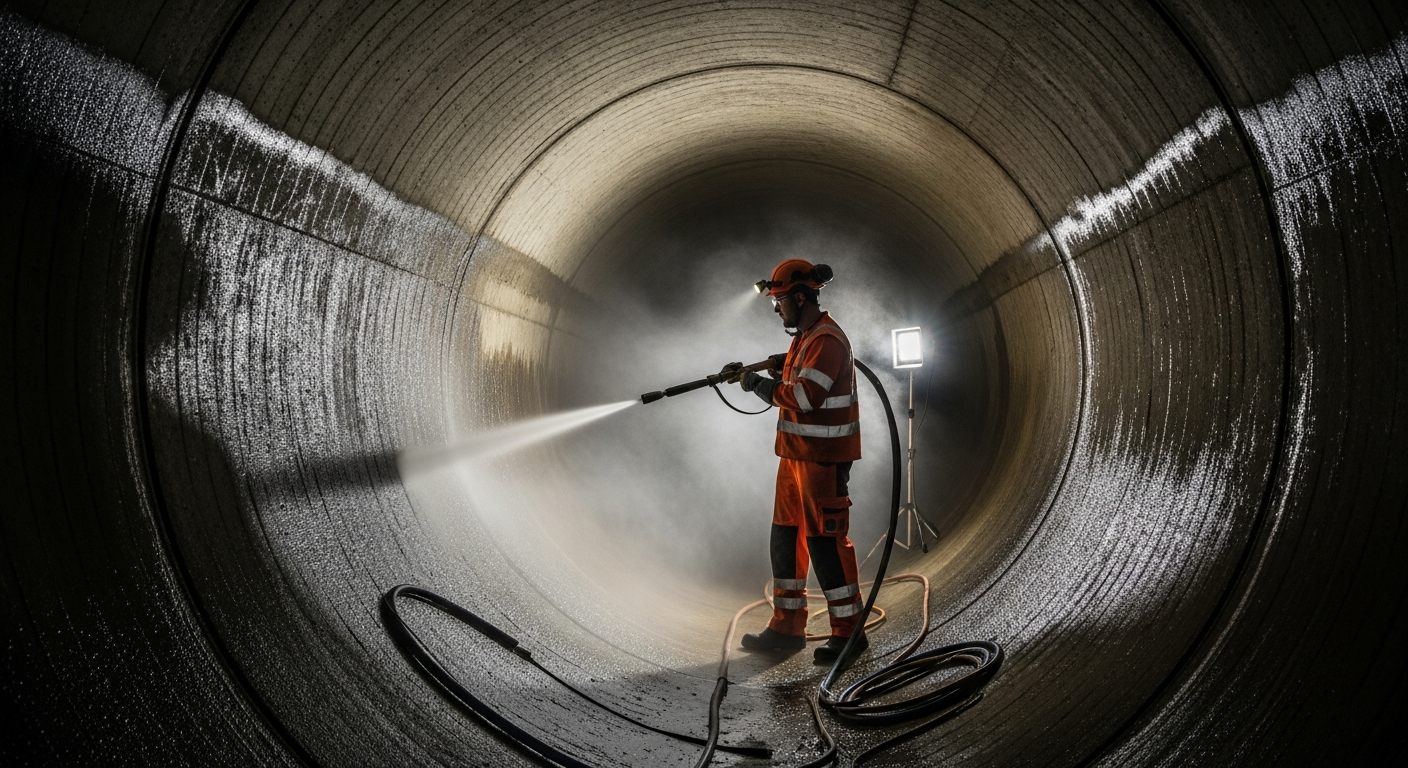
Leak detection pinpoints the exact location of a water or pipe leak without digging up large areas. Specialist firms combine various techniques such as camera inspection, pressure and leak-tightness testing, acoustic detection, gas testing with tracer gas or moisture measurement. The aim is to find the damage precisely so that it can be repaired in a targeted way with minimal intervention.
In this article we explain the most important leak detection methods and how a professional leak search works. You will see why precise locating saves time and money and avoids unnecessary excavation.
Why precise leak detection matters so much
An undetected leak can cause considerable damage: damp masonry, mould, undermined foundations or a creeping rise in water consumption. The problem often shows up somewhere quite different from where it actually starts, because water travels along pipes and layers. Without precise locating, you would dig in the wrong place.
This is exactly where modern leak detection comes in. Instead of breaking things open on suspicion, the damage is narrowed down with measuring equipment and pinpointed. This reduces the building work to a minimum and prevents unnecessary follow-on costs.
Camera inspection as the basis
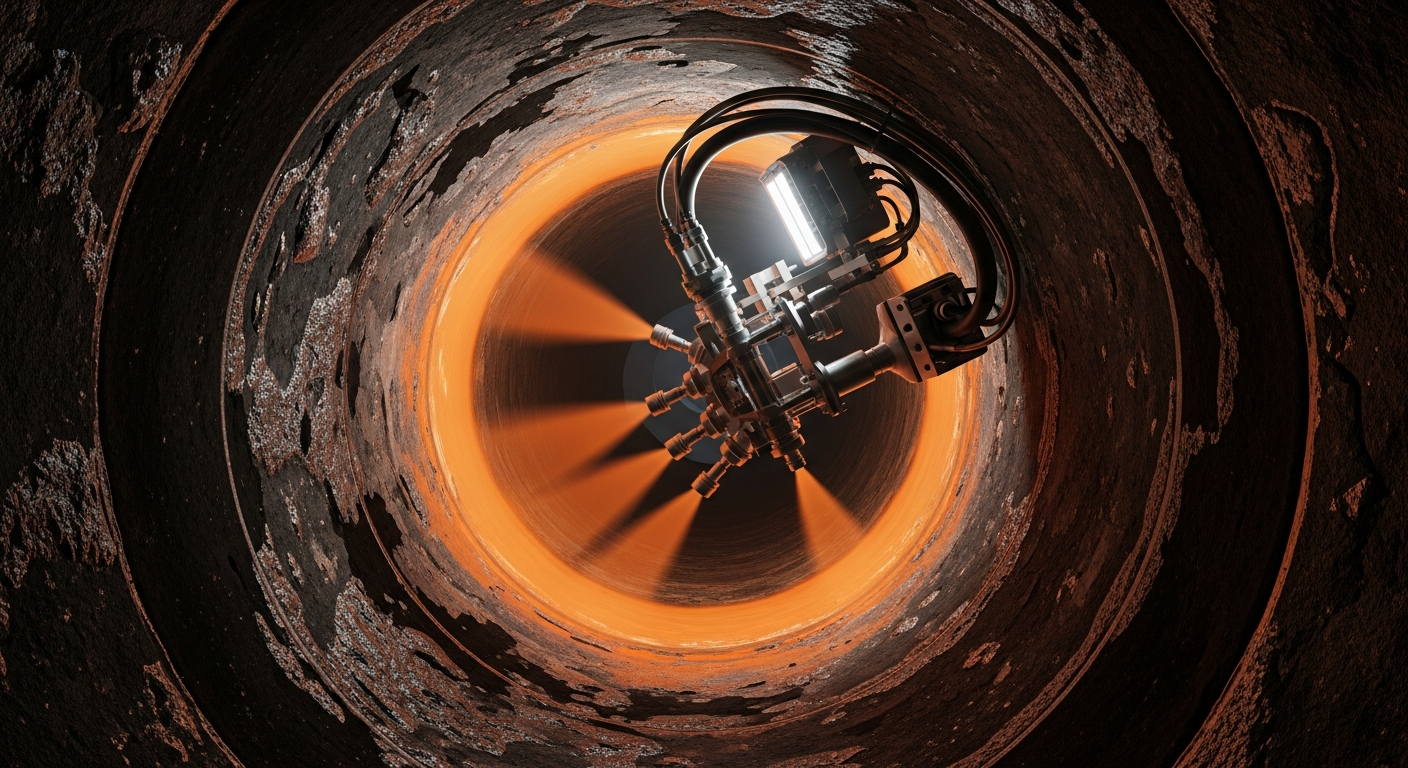
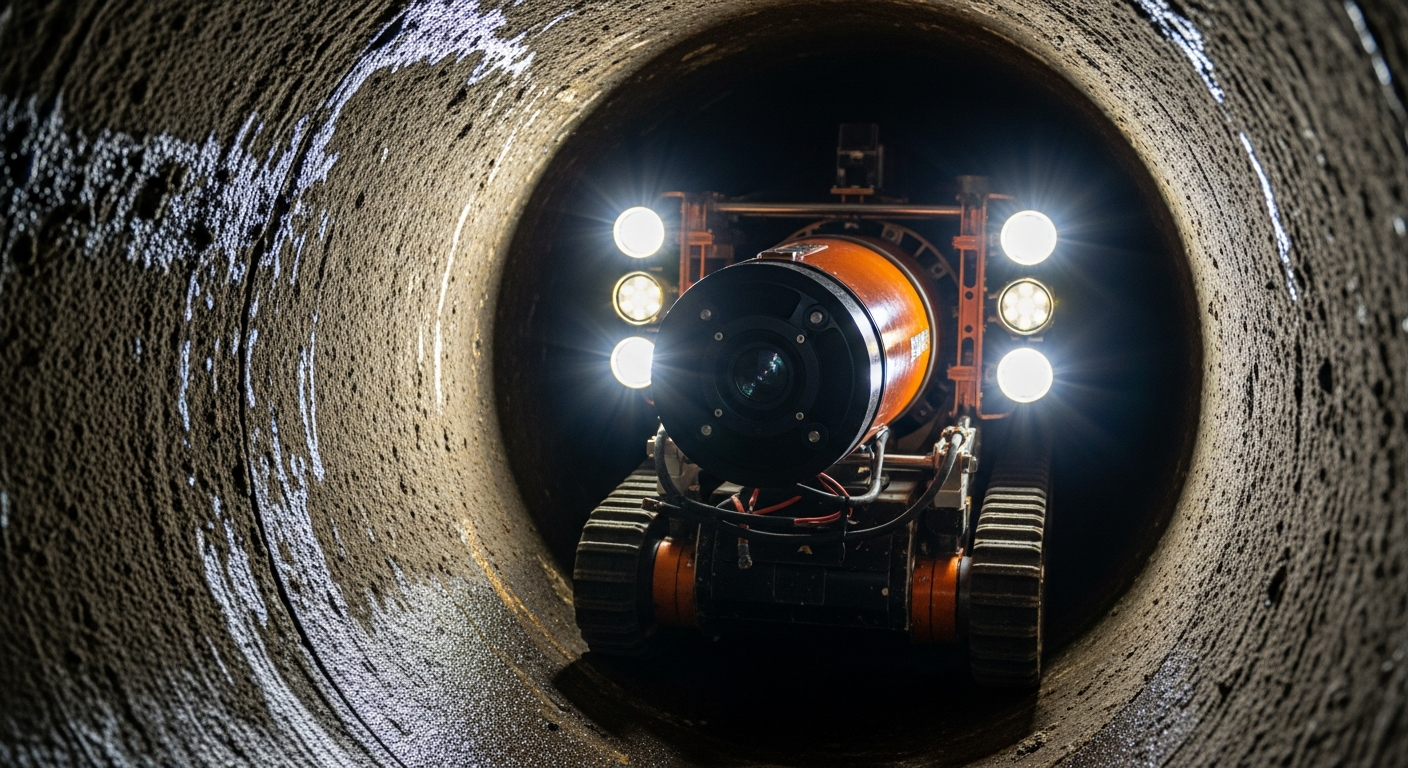
A key tool is the CCTV drain survey. A high-resolution camera is guided through the pipe and shows cracks, fractures, leaking joints or root ingress directly on screen. By locating the camera head, the damaged spot can also be marked accurately on the surface.
A camera survey is ideal for accessible wastewater pipes and underground drains. It provides not only the position but also a clear picture of the type of damage, which makes it easier to choose the right repair method later, for example pipe relining without digging.
Pressure and leak-tightness testing
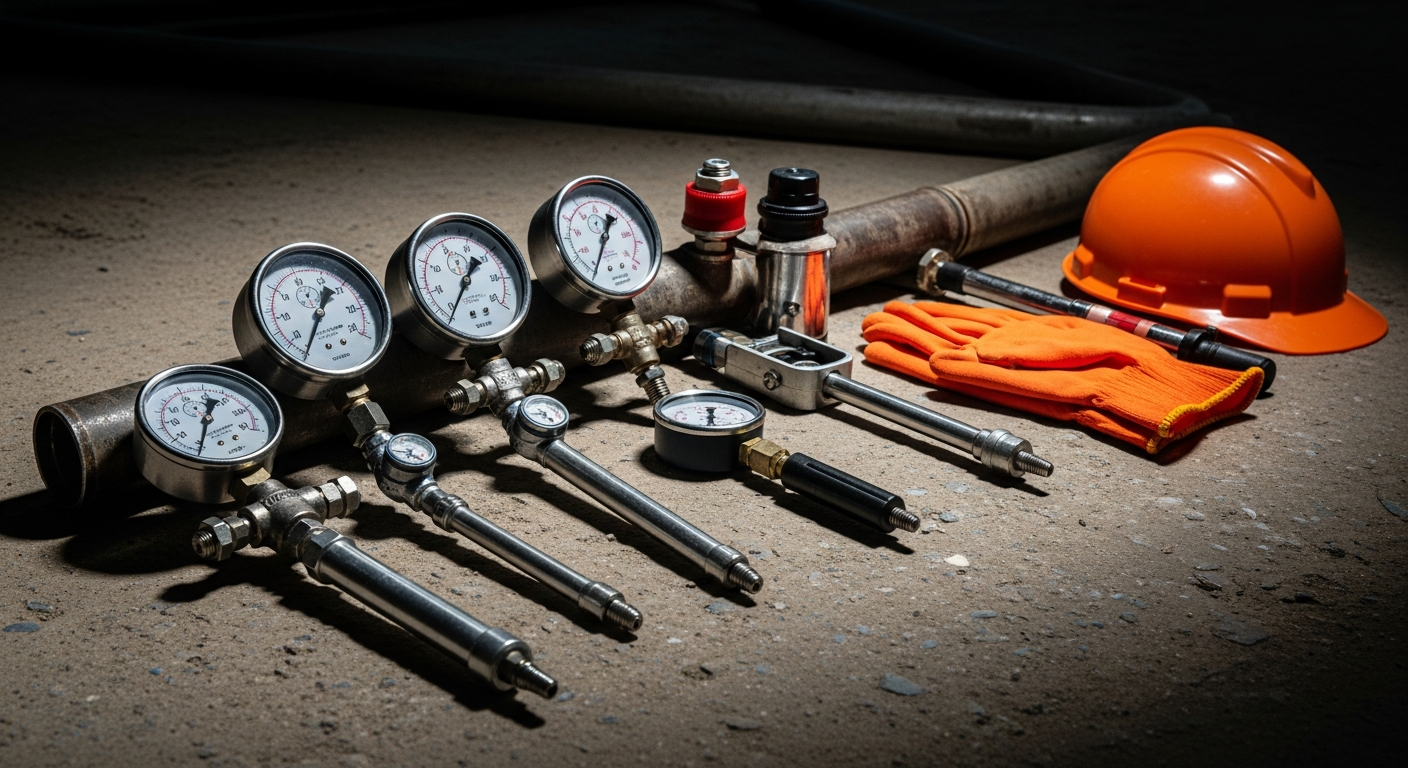
In a pressure test, a sealed-off section of pipe is put under a defined pressure with water or air. If the pressure drops over time, the pipe is leaking. This method reliably proves a leak and can be combined with other locating techniques to narrow down the exact spot.
For wastewater pipes, a leak-tightness test to the relevant standard is a recognised way to prove tightness before acceptance or after a rehabilitation. It provides certainty and is in some cases required by the authorities.
Acoustic detection and gas testing
Acoustic detection is used on pressurised pipes. Escaping water produces a characteristic noise that is picked up and located with sensitive ground microphones and correlators. Experienced technicians narrow down the leak metre by metre.
Gas testing uses a harmless tracer gas, usually a hydrogen-nitrogen mixture. The gas is introduced into the drained pipe and escapes at the leak, where it is detected at the surface with a highly sensitive detector. This method is particularly effective for leaks that are hard to reach or only slight.
Moisture measurement and thermography
In addition, moisture measuring devices help to map how water has spread in walls and floors, while thermography makes temperature differences visible. A hot-water leak, for example, shows up as a heat trail. These non-contact methods help to narrow down the area before targeted further testing.
In practice, the methods are combined. The specialist chooses the right sequence according to the pipe type, access and damage pattern in order to reach a reliable result with as little effort as possible.
The typical course of a leak search
It starts with an assessment of the situation: where are there signs of damp, pressure loss or increased consumption? On this basis, the technician narrows down the area and chooses the detection methods. Step by step, the leak is located and finally marked precisely so that the repair can be carried out in a targeted way.
After the repair, a further test, such as a leak-tightness or pressure test, confirms success. This ensures that the leak has been fully fixed and that no residual leak remains.
Conclusion: locate precisely instead of digging blindly
Professional leak detection finds the damage precisely and gently, often without any large-scale digging at all. By combining camera, pressure testing, acoustic detection, gas testing and moisture measurement, almost any leak can be reliably located. This saves costs, protects the building fabric and shortens the repair time.
Do you suspect a hidden leak, or is your water consumption rising for no apparent reason? Call us on +41 43 588 12 08. Our specialists locate the damage precisely, from six locations in Frauenfeld, St. Gallen, Winterthur and Zurich, and in urgent cases via our 24/7 emergency service around the clock.