The most important difference lies in watertightness: a slurry pit is a completely sealed tank that collects wastewater or slurry until it is emptied by suction. A soakaway pit, on the other hand, is deliberately built to be permeable and lets treated or lightly polluted water seep into the surrounding ground in a controlled way. Both systems serve to manage wastewater at locations without a connection to the public sewer system, but they work on opposite principles and need different care. Anyone who confuses the two risks either an overflowing pit or an unauthorised discharge into the soil, which is why the clear distinction is worth knowing for every owner.
What is a slurry pit?
A slurry pit, often also called a sealed holding tank or, in agriculture, a liquid manure pit, is a watertight tank made of concrete or plastic. Everything that flows in stays there until the pit is emptied. In agriculture, it collects slurry and liquid manure for later spreading as fertiliser; in the domestic sphere, it collects foul water from properties without a sewer connection. Because nothing is allowed to seep away, the pit must be emptied regularly by a vacuum tanker, otherwise it overflows.
What is a soakaway pit?
A soakaway pit is a structure that releases water into the subsoil in a controlled way. It usually consists of a brick-lined or perforated shaft surrounded by gravel. The water seeps slowly into the soil through the permeable walls and the base. Traditionally, it was used for the infiltration of rainwater or of wastewater that had already been treated. It is important that no untreated foul water gets into a pure soakaway pit, as this would endanger the groundwater and is not legally permitted.
How do the functions differ in detail?
The slurry pit stores, the soakaway pit discharges. With the slurry pit, watertightness is the decisive quality feature: a crack or a leak means that wastewater gets into the soil uncontrolled, which can lead to environmental damage and legal consequences. With the soakaway pit, permeability is exactly what is wanted, but it too has its limits: if the base silts up over time, the infiltration capacity decreases and the pit backs up.
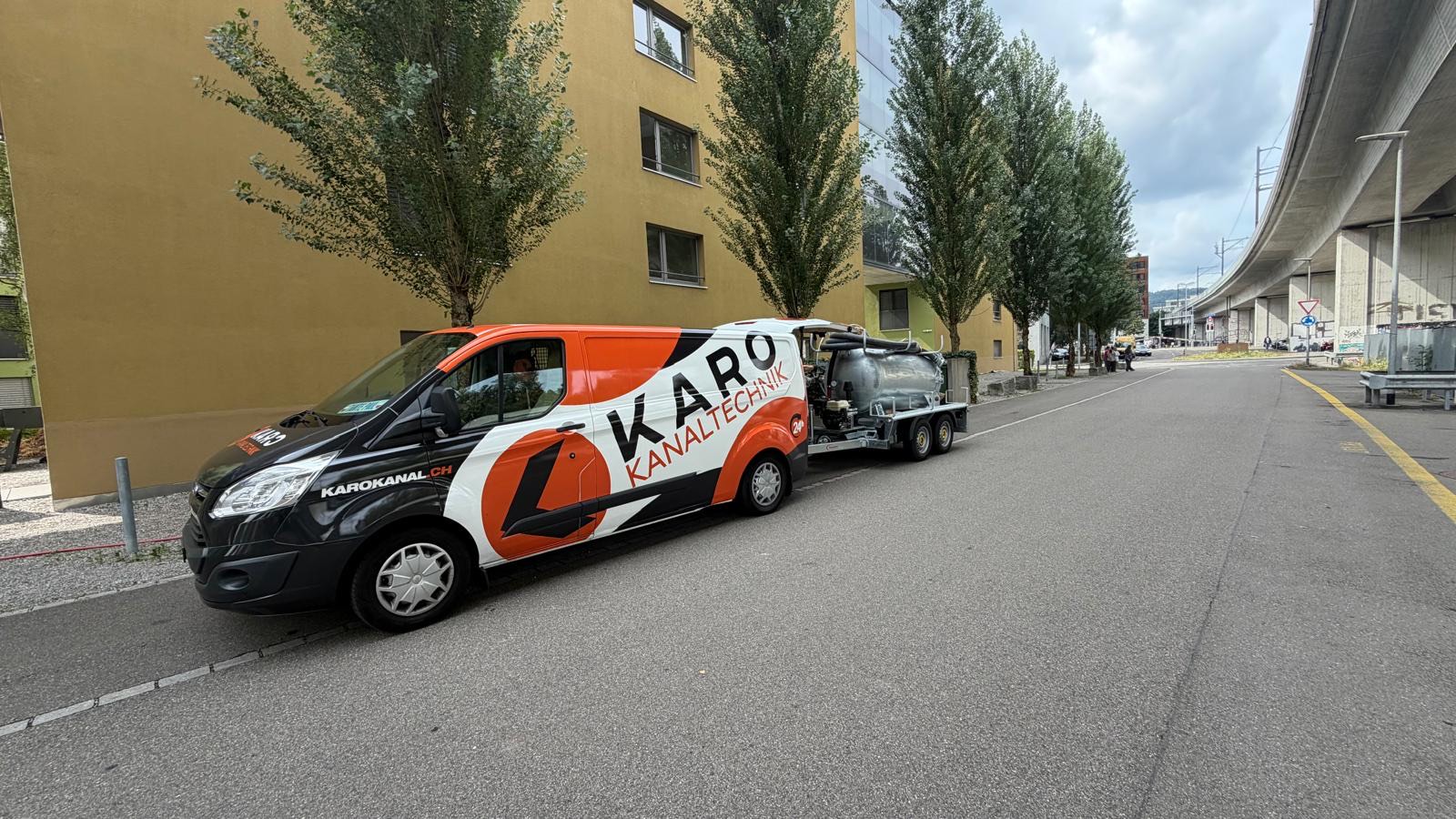
The second difference concerns disposal. The slurry pit is completely emptied by suction, and its contents are disposed of properly or used as fertiliser. The soakaway pit, on the other hand, is cleaned to maintain its infiltration capacity, with sludge and deposits being removed. Both jobs are carried out by a specialist drain technology firm with a vacuum and jetting vehicle.
The construction also differs considerably. A slurry pit consists of watertight concrete or plastic with a closed base, whereas a soakaway pit has perforated walls and an open base surrounded by gravel so that the water can escape. If you own an older pit, you should know how it is built, because this determines whether and what may be discharged into it and how the pit must be maintained.
What legal requirements apply?
In Switzerland, wastewater management is subject to strict water protection regulations. Domestic wastewater must in principle be routed into the public sewer system and to the treatment plant. The infiltration of untreated foul water via a soakaway pit is therefore not permitted, because it would endanger the groundwater. Slurry pits must be demonstrably watertight so that nothing escapes into the soil, and their contents must be disposed of properly or used correctly in agriculture.
For clean rainwater or stormwater, on the other hand, controlled infiltration is ecologically desirable and is encouraged, provided local soil conditions allow it. Which solution is permitted and sensible in an individual case is laid down by cantonal and municipal regulations. If in doubt, the responsible municipality or a specialist firm will provide binding information before a pit is built, converted or rehabilitated.
How are the two pits cleaned?
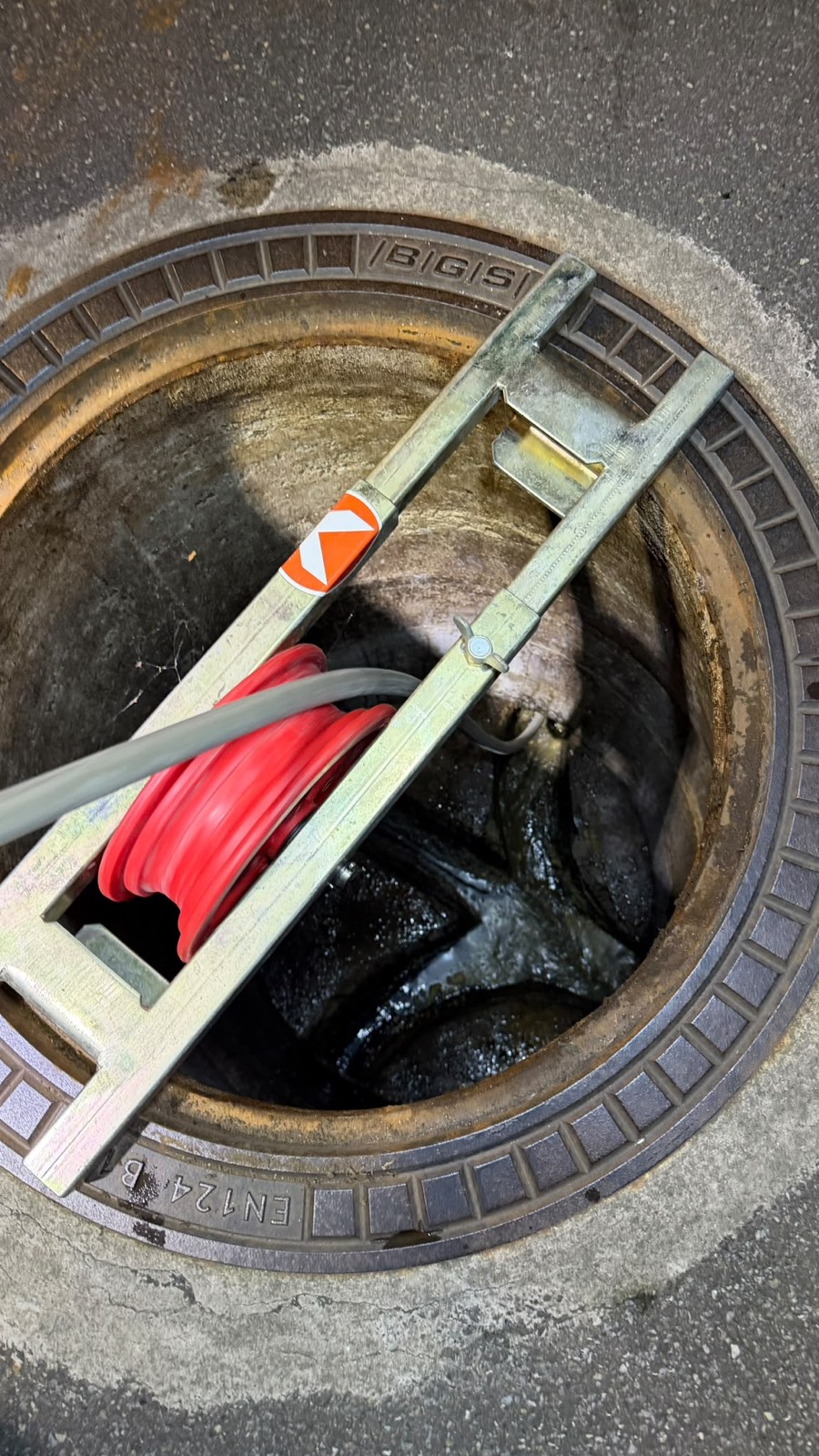
The slurry pit is emptied by a vacuum tanker, which takes up the entire liquid and sludgy contents. A visual check or CCTV drain survey can then check its watertightness. With the soakaway pit, the focus is on restoring infiltration: the specialist vacuums out the settled sludge and flushes the infiltration surfaces clear with high pressure so that the water can again pass freely into the ground.
In both cases, regular maintenance is crucial. An overfull slurry pit can overflow and cause odours and environmental damage, while a silted-up soakaway pit fails and leads to backflow and waterlogging. If you keep to the intervals, you avoid expensive emergencies. For the slurry pit, a regular leak-tightness check is also recommended, because an unnoticed crack can release considerable amounts of wastewater into the soil over a long period without it being immediately apparent.
Which solution is common today?
In Switzerland, most properties are connected to the public sewer system, so traditional soakaway pits and slurry pits are found mainly in rural areas, at remote properties and in agriculture. For rainwater, infiltration is still ecologically desirable, but today it is achieved with modern, controlled infiltration systems. Strict requirements apply to domestic wastewater, which is why, if in doubt, the responsible municipality or a specialist firm should be consulted.
How can I tell which pit I have?
Many owners of older properties do not know exactly whether they have a watertight slurry pit or a permeable soakaway pit. A first clue is the behaviour of the water level: if it remains constant despite inflow or rises slowly, this indicates a watertight holding tank. If the water level falls by itself, the water is seeping away, which points to a soakaway pit. The construction also gives clues, such as perforated walls and a gravel bed for the soakaway pit compared with a closed tank for the slurry pit.
Final clarity comes from an assessment by a specialist firm, which opens the pit, checks how it is built and carries out a CCTV drain survey if necessary. This clarification is important because it determines how the pit may be used, maintained and emptied. If you know what type of pit you have, you can keep to the right intervals and avoid foul water getting into a soakaway pit without authorisation or a leaking slurry pit releasing wastewater unnoticed.
What does cleaning cost?
The costs depend on the size of the pit, the volume and the disposal effort. As a guide, there is an hourly rate of around CHF 160 per hour plus a flat call-out fee of about CHF 60, with disposal of the extracted material charged separately. These figures can vary by plus/minus 15 per cent. A quote in advance provides clarity about emptying, cleaning and disposal.
Whether emptying a slurry pit or maintaining a soakaway pit: Karo Kanaltechnik reliably takes care of vacuuming, cleaning and proper disposal. If your pit is overfull or backing up, our 24/7 emergency service is there for you around the clock on +41 43 588 12 08.